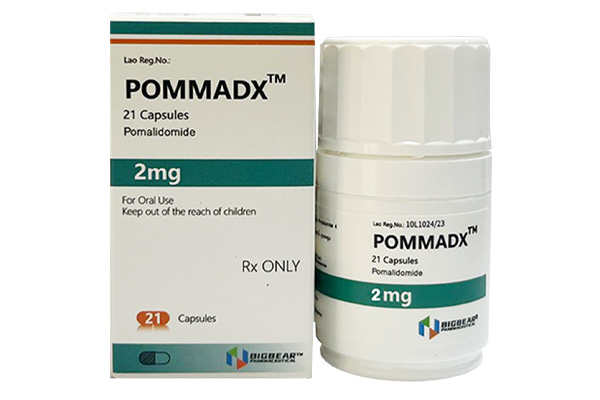
Indications and Clinical Use
Pomalidomide is an antineoplastic agent and an immunomodulatory agent.
It is mainly used in combination with dexamethasone for the treatment of adult patients with multiple myeloma (MM) who have received at least two prior therapies, including lenalidomide and a proteasome inhibitor, and whose disease progressed during or within 60 days after the last therapy.
Overview of Multiple Myeloma
Multiple myeloma is a malignant plasma cell disorder originating from plasma cells in the bone marrow. Common manifestations include anemia and bone pain.As patients may develop drug resistance to treatments, the combination of pomalidomide and dexamethasone serves as a therapeutic regimen for cases refractory to other treatments.
Combination Therapy
Pomalidomide can be used in combination with antineoplastic agents such as dexamethasone.Appropriate combination therapy may enhance efficacy or reduce adverse reactions, while inappropriate combinations may reduce efficacy, increase toxicity, trigger abnormal responses, interfere with treatment, or worsen the patient’s condition.
Patients must not combine this drug with other medications without professional guidance. Consult a physician or pharmacist before using any additional medications concurrently.
Other Therapeutic Effects
Reports indicate that pomalidomide may improve severe T‑cell depletion caused by HIV and may have potential therapeutic benefits.
The U.S. FDA has approved pomalidomide for the treatment of AIDS‑related Kaposi’s sarcoma in patients with resistance to highly active antiretroviral therapy (HAART).
Dosage and Administration of Pomalidomide
Recommended Dosage
Route of administration: Oral administration
Starting dose: 4 mg once daily
Treatment cycle: 28‑day cycle, administered on days 1–21 of each cycle
Duration: Continue until disease progression, with dose or regimen adjustments based on disease status and adverse reactions
This medication must be taken exactly as prescribed; overdose is strictly prohibited.
Dosage Adjustment
Hepatic and renal impairment: Impaired hepatic function affects drug metabolism and may require dosage adjustment.
Individualized dosing: Dosage and duration of therapy are determined by the physician based on the patient’s clinical condition, aiming to achieve maximal efficacy with minimal dosage and adverse reactions.Patients are advised to follow the prescribed regimen regularly and maintain high medication adherence.