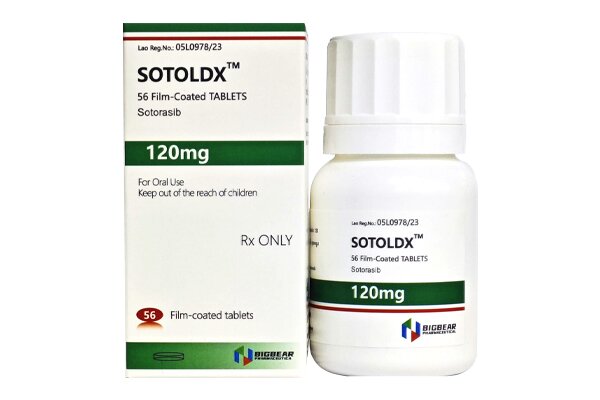
Sotorasib is a targeted drug against KRASG12C mutations, primarily used to treat malignant tumors such as non-small cell lung cancer. Common side effects include gastrointestinal reactions (such as diarrhea, nausea, and vomiting), fatigue, elevated liver enzymes, and musculoskeletal pain. In severe cases, cardiotoxicity, interstitial lung disease, or severe liver damage may occur, requiring close monitoring and timely management.
Common Side Effects and Management
Gastrointestinal Discomfort: Approximately 30%-40% of patients experience diarrhea, nausea, or vomiting. Dietary adjustments are recommended (small, frequent meals, avoidance of fatty foods). Antiemetics or antidiarrheal medications may be used if necessary.
Liver Function Abnormalities: Approximately 20% of patients experience elevated transaminase levels. Regular liver function monitoring is necessary. If abnormalities are significant, medication may need to be discontinued or the dosage adjusted.
Fatigue and Muscle Pain: These can be relieved by rest and moderate activity. If they persist or worsen, medical evaluation is required.
Serious Side Effects and Risks
Cardiac Problems: Rare but may cause QT interval prolongation or arrhythmias, especially in patients with a history of heart disease, requiring regular electrocardiogram monitoring. Interstitial lung disease: Symptoms include worsening cough and difficulty breathing. Immediate discontinuation of the medication and administration of hormone therapy are necessary.
Severe liver damage: If symptoms such as jaundice and dark yellow urine occur, discontinue the medication and seek emergency treatment.
Precautions for use
Monitor as directed by your doctor: Liver function, electrolytes, and cardiac function should be checked regularly before and during treatment.
Drug interactions: Avoid concurrent use with potent CYP3A4 inducers (such as rifampin), as this may reduce efficacy.
Special populations: Pregnant women, breastfeeding women, and patients with hepatic or renal insufficiency require careful risk assessment.
If persistent fever, chest pain, difficulty breathing, or severe allergic reactions (such as rash or swelling) occur, discontinue the medication immediately and seek medical attention. This is a prescription drug; patients must not adjust the dosage or discontinue the medication on their own and must strictly follow their doctor's instructions to develop an individualized treatment plan.