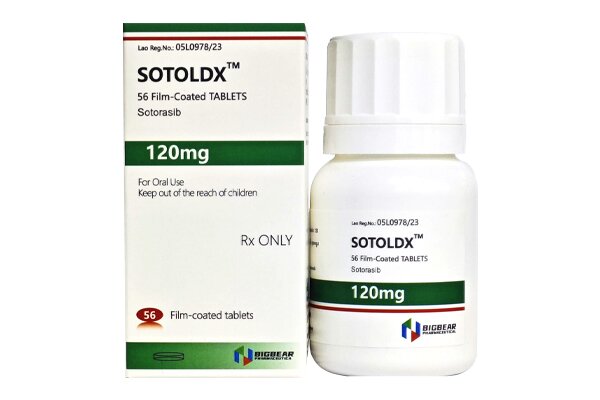
While taking sottorazib, it is generally not recommended to consume large amounts of fatty foods. However, small or occasional intake is usually harmless, but adjustments should be made based on individual physical condition and doctor's advice.
Effects of Fatty Foods on the Drug and Body
May increase digestive burden: As a targeted drug, sottorazib may cause gastrointestinal reactions such as nausea and diarrhea. Fatty foods may exacerbate these discomforts.
Affects drug absorption: A high-fat diet may slow down drug absorption, but current research has not clearly confirmed its direct impact on the efficacy of sottorazib.
Dietary Recommendations
Focus on light, easily digestible foods: Prioritize nutritionally balanced foods such as protein, vegetables, and whole grains to reduce the burden on the gastrointestinal tract.
Try small amounts frequently: If you tolerate fatty foods well, you can try small amounts and observe your body's reaction. Stop immediately if discomfort occurs.
Avoid long-term high-fat diets: Long-term excessive fat intake may increase the metabolic burden on the liver, and since sottorazib is metabolized by the liver, it may affect drug clearance.
Special Considerations
Comorbidities: If gallbladder disease, pancreatitis, or hyperlipidemia is present, fatty foods should be strictly limited.
Significant Reactions After Medication: If frequent vomiting, abdominal pain, or other symptoms occur after taking the medication, dietary adjustments should be made and medical attention sought promptly.
Follow Doctor's Prescriptio
Sotorasiib is a prescription drug. Strict adherence to your doctor's instructions is required during treatment, including diet, dosage, and monitoring for adverse reactions. It is recommended to consult a doctor or nutritionist before taking this medication to develop an individualized dietary plan to ensure safe and effective treatment.