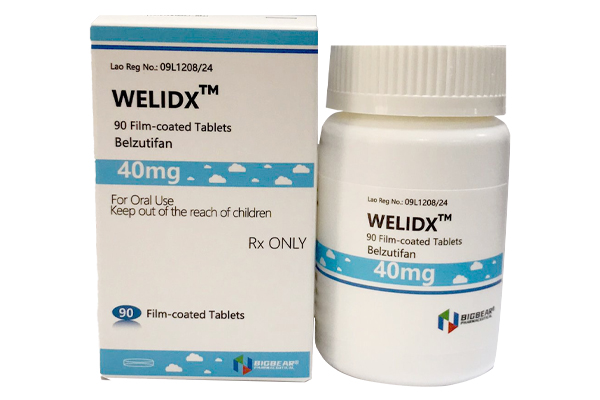
Most management strategies for the adverse reactions of Belzutifan in the package insert do not provide specific home-based measures. The management methods provided in the insert are dose reduction, dose interruption, blood transfusion, or discontinuation of the drug.
Anemia
For the adjuvant treatment of ccRCC indication, withhold the medication when hemoglobin is below 9 g/dL or if a blood transfusion is required, and consider resuming when it recovers to ≥ 9 g/dL.
For all other indications, withhold the medication when hemoglobin is below 8 g/dL or if a blood transfusion is required, and consider resuming when it recovers to ≥ 8 g/dL. Upon resumption, the dose can be the original dose or a reduced dose, as determined by the doctor.
Daily care: If you experience paleness, feeling cold, excessive shortness of breath when climbing stairs, rapid heartbeat, tinnitus, or decreased concentration, consult a doctor immediately. Do not take iron supplements or high-dose vitamins on your own, and do not rely on eating animal liver to solve the problem.
Hypoxia
Immediately stop any ongoing physical activity and rest in a sitting or semi-recumbent position. Most exercise-induced drops in blood oxygen can be relieved after stopping the activity.
For decreased oxygen saturation during exercise (pulse oximetry < 88%), consider withholding the medication until resolved, then resume at the same or reduced dose. For decreased oxygen saturation at rest (< 88% or arterial oxygen partial pressure ≤ 55 mmHg) or if urgent intervention is required, the medication must be withheld until resolved, then resume at a reduced dose or discontinue. For life-threatening or recurrent symptomatic hypoxia, permanently discontinue the drug.
Fatigue
Break activities into short segments with scheduled rests in between; prioritize nighttime sleep; schedule a 20- to 30-minute nap during the day. Do not force yourself to stay awake with large amounts of caffeine. Do not take stimulating traditional Chinese medicines or dietary supplements on your own without first checking the ingredients with your doctor.
Nausea, Vomiting, Decreased Appetite, and Stomatitis
Eat small, frequent meals; choose lukewarm, bland, and soft foods; avoid greasy, overly sweet, and strong-smelling foods; do not lie down immediately after meals.
Diarrhea
Replenish fluids and electrolytes (oral rehydration salts are better than sugary drinks); choose a low-fiber, low-fat diet; temporarily avoid dairy products. Do not use antidiarrheal drugs long-term on your own.
Contact a doctor immediately if you have more than 4 to 6 episodes of diarrhea a day, bloody or tarry stools, diarrhea accompanied by fever, or significant dehydration.
Headache and Dizziness
Ensure adequate fluid intake; slow down your movements when getting out of bed and standing up (sit for 1 minute before standing); avoid standing for long periods and sudden head turns.
Dizziness accompanied by blurred vision, unilateral limb weakness, slurred speech, or severe headache—these are not typical signs of "anemic dizziness" and require immediate medical attention.
Rash and Skin Reactions
Cleanse gently; enhance moisturizing; wear loose cotton clothing; avoid washing with hot water and irritating skincare products. Do not use corticosteroid creams long-term on your own, especially not on the face or broken skin.