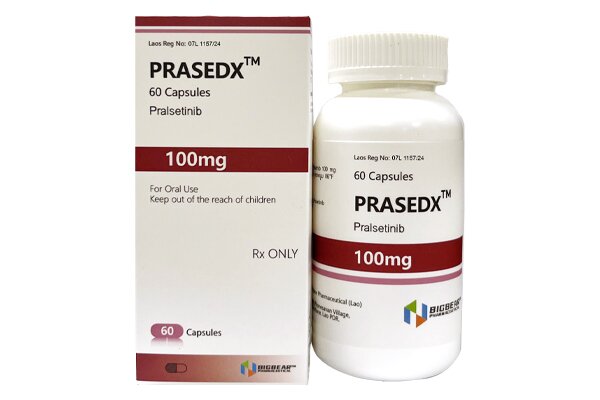
Ponatinib is an oral tyrosine kinase inhibitor whose main component is ponatinib hydrochloride. It is indicated for the treatment of hematologic malignancies such as Philadelphia chromosome-positive chronic myeloid leukemia and acute lymphoblastic leukemia. It holds significant therapeutic value, especially for patients with certain resistant mutations, and must be used with a physician's prescription.
Ways to Purchase Ponatinib
Purchase at Hospital Pharmacies
It can be purchased directly under the guidance of a doctor. The doctor can accurately recommend the appropriate specification based on the patient's condition, treatment stage, and physical status. Patients can also receive on-site consultation regarding medication precautions, dosage adjustments, and other issues. However, the purchase process is relatively cumbersome, requiring a prior registration and consultation, which can be time-consuming and labor-intensive for patients with limited mobility, those seeking medical treatment in another city, or those with severe illnesses.
Purchase at Chain Pharmacies
With a wide distribution of offline stores, patients can choose to purchase at a nearby location without traveling long distances. The purchase process is relatively convenient; the purchase can be completed by presenting a valid prescription. However, not all chain pharmacies have the drug in stock. Some smaller stores or those in remote areas may have insufficient inventory, so it is necessary to call ahead to confirm availability.
Purchase on Regular Online Medical Platforms
The purchase is extremely convenient, allowing patients to complete the order via mobile phone or computer without leaving home. This is particularly suitable for patients with limited mobility, those seeking medical treatment in another city, or those with a busy schedule. Online platforms offer a rich selection of drug specifications, allowing patients to choose the appropriate dosage based on their doctor's advice and their own needs.
However, it is necessary to carefully verify the platform's qualifications. Irregular online channels may sell counterfeit, expired, or substandard drugs, harming the patient's health.
Reference for Other Treatment Measures for Leukemia
Chemotherapy
Applicable Patients:
Suitable for patients with various types and stages of leukemia, including induction remission therapy for newly diagnosed patients, consolidation therapy after surgery or targeted therapy, and palliative therapy for advanced-stage patients. It is one of the traditional core methods in leukemia treatment.
Treatment Principle:
Chemotherapy drugs are administered via intravenous infusion, oral intake, etc. The drugs circulate throughout the body via the bloodstream to inhibit or kill rapidly dividing leukemia cells, thereby achieving the goal of controlling the disease and alleviating symptoms.
Commonly Used Drugs and Regimens:
Different regimens are chosen based on the type of leukemia. For example, acute lymphoblastic leukemia commonly uses combination regimens such as vincristine + prednisone + daunorubicin + L-asparaginase, while acute myeloid leukemia commonly uses combination regimens such as cytarabine + anthracyclines.
Precautions:
Chemotherapy drugs have significant toxic side effects, possibly causing nausea, vomiting, hair loss, bone marrow suppression, liver and kidney function damage, etc. During treatment, indicators such as blood routine, liver and kidney function need close monitoring. Use antiemetics, leukocyte-boosting agents, stomach-protecting drugs, etc., as prescribed by the doctor to alleviate discomfort. Ensure nutritional intake during chemotherapy to enhance the body's tolerance and avoid infection and bleeding.
Hematopoietic Stem Cell Transplantation
Applicable Patients:
Mainly suitable for high-risk or relapsed/refractory leukemia patients, including those requiring consolidation therapy after achieving complete remission in acute leukemia, and patients with chronic myeloid leukemia in the accelerated phase or blast phase. It is currently an important method that may cure leukemia.
Treatment Process:
Divided into autologous hematopoietic stem cell transplantation and allogeneic hematopoietic stem cell transplantation. The core process includes donor matching, patient preconditioning (high-dose chemotherapy or radiotherapy), stem cell infusion, post-transplant immune reconstitution, and complication prevention and management.
Advantages and Risks:
Successful hematopoietic stem cell transplantation can reconstruct the patient's normal hematopoiesis and immune system, achieving long-term disease-free survival or even cure. However, the transplantation process carries high risks, potentially leading to serious complications such as transplant rejection, infection, and graft-versus-host disease. It also imposes high requirements on the patient's physical condition and donor matching.
Precautions:
A comprehensive evaluation is required before transplantation, including the patient's cardiopulmonary function, liver and kidney function, psychological status, etc., to rule out contraindications. After transplantation, long-term use of immunosuppressants is necessary, along with regular follow-ups including blood routine tests and bone marrow aspiration to closely monitor for signs of rejection and infection. Simultaneously, maintain good dietary and living environment hygiene.
Radiotherapy
Applicable Patients:
Mostly used for local disease control, such as in leukemia patients with central nervous system infiltration, extramedullary leukemia (e.g., hepatosplenomegaly, lymphadenopathy), bone pain, etc. It can also be used for preconditioning before hematopoietic stem cell transplantation to eliminate residual leukemia cells in the body.
Treatment Principle:
Utilizes high-energy rays (such as X-rays, γ-rays) to precisely irradiate the lesion site, destroying the DNA structure of leukemia cells, inhibiting their proliferation and spread, while minimizing damage to surrounding normal tissues as much as possible.
Treatment Methods:
Divided into curative radiotherapy, palliative radiotherapy, and preconditioning radiotherapy based on the treatment goal. During the treatment process, positioning technology is used to define the irradiation range, develop a personalized radiotherapy plan, and control the radiation dose and course.
Precautions:
Radiation damage may occur during radiotherapy. For example, radiotherapy to the central nervous system may cause headache, dizziness, memory decline; local radiotherapy may cause skin redness, peeling, mucosal inflammation, etc. Protective measures should be taken. Regularly follow up with imaging examinations during treatment to evaluate the effectiveness of radiotherapy and adjust the treatment plan promptly. After radiotherapy, pay attention to rest, strengthen nutrition, and promote physical recovery.
The above is for reference only. For more treatment options, please consult a professional doctor.