Mechanism of Action and Therapeutic Effects
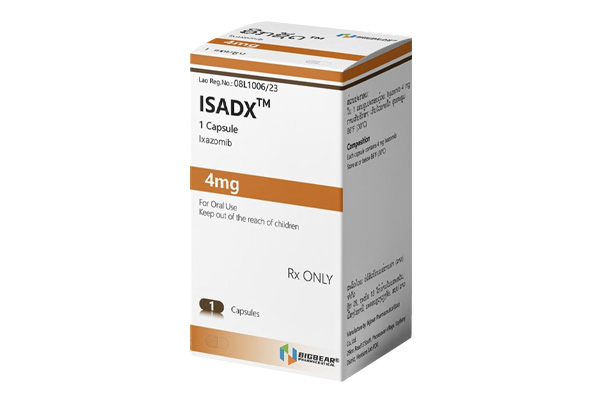
Ixazomib is a targeted anticancer agent that controls cancer cell growth by reversibly inhibiting the function of the proteasome. Its active component specifically targets the β5 subunit, a key structural component of the proteasome. It is primarily indicated for the treatment of multiple myeloma and must be used in combination with other anticancer drugs.
Indications of Ixazomib
This drug is specifically approved for the treatment of adult multiple myeloma, a hematologic malignancy. Laboratory research has demonstrated the following effects:
Ixazomib can induce programmed cell death (apoptosis) in multiple myeloma cells.
It remains effective in patients with relapsed disease who have previously received multiple therapies, including bortezomib, lenalidomide, and dexamethasone.
When combined with lenalidomide, the two agents exert synergistic effects to produce stronger anticancer activity.
Symptom Relief with Ixazomib
Ixazomib is indicated for patients who meet all of the following criteria:
Confirmed diagnosis of multiple myeloma in adult patients.
Prior receipt of at least one systemic treatment regimen, including chemotherapy and targeted therapy.
Requirement for the triple therapy regimen consisting of lenalidomide, dexamethasone, and ixazomib.
Common Combination Therapies with Ixazomib
When ixazomib is used in combination with lenalidomide and dexamethasone:
It produces a triple therapeutic effect, inhibiting cancer cell proliferation through multiple pathways.
It is suitable for patients who have failed to respond to other treatment regimens.
Clinical data show that this combination improves disease control outcomes.
The specific dosage and duration of treatment must be strictly determined in accordance with medical advice.