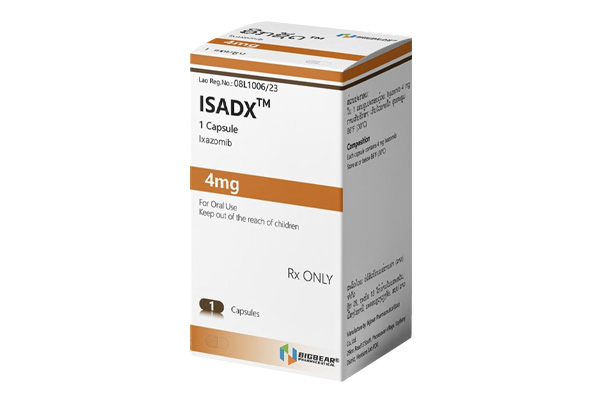
Ixazomib, a novel targeted therapy drug, inhibits the activity of the proteasome, blocking the growth and proliferation of tumor cells, providing an important treatment option for patients with multiple myeloma. Currently, this drug is available in China and covered by medical insurance, greatly improving patient accessibility.
Ixazomib Purchase Channels:
* **Direct Purchase from Hospitals:** Hospitals are one of the primary and safest channels for purchasing ixazomib. Patients can purchase it directly from the hospital pharmacy with a doctor's prescription, receiving direct guidance from doctors and pharmacists and timely answers to questions during medication use. This is especially suitable for patients starting medication for the first time, those with unstable conditions, or those with complex comorbidities.
* **Purchase from Reputable Online Pharmacy Platforms:** With the standardization of pharmaceutical e-commerce, reputable online pharmacy platforms have also become a convenient way to purchase ixazomib. Patients should choose platforms with proper qualifications. This channel is suitable for patients with limited mobility or those living far from hospitals, saving time on medical visits and medication purchases. However, it is crucial to carefully verify the platform's qualifications to avoid purchasing counterfeit or substandard drugs.
Nursing Care Measures for Multiple Myeloma
Dietary Care
Balanced Nutritional Intake: Ensure an intake of high-protein, high-vitamin, and easily digestible foods, such as lean meat, eggs, milk, soy products, and fresh fruits and vegetables. This replenishes the nutrients consumed during treatment, strengthens immunity, and supports recovery.
Strict Control of Kidney Burden: Because multiple myeloma easily affects the kidneys, it is necessary to strictly control sodium and water intake. Avoid high-salt, high-water foods and reduce the intake of high-purine foods (such as animal organs and seafood) to prevent edema and kidney damage.
Avoid Gastrointestinal Irritation: Avoid spicy, raw, cold, hard, and rough foods to reduce irritation to the gastrointestinal mucosa and lower the risk of adverse reactions such as nausea, vomiting, and diarrhea. During chemotherapy, adjust food flavors according to appetite and adopt a small, frequent meal approach.
Ensuring Food Hygiene: Food must be thoroughly washed and cooked. Avoid consuming unclean food to prevent intestinal infections, especially since patients have lower immunity and a higher risk of infection during treatment. Food hygiene requires extra attention.
Skin Care
Keep Skin Dry: Gently wipe skin with warm water daily. Wear loose, soft, breathable cotton clothing, avoiding friction and irritation from synthetic materials. Keep skin clean and dry to prevent skin damage.
Closely Monitor Symptoms: Regularly check skin condition. If symptoms such as rash, itching, redness, or peeling occur, inform your doctor immediately. Avoid scratching. Use mild topical medications under your doctor's guidance to relieve discomfort and prevent symptoms from worsening.
Prevent Pressure Sores: Bedridden patients should be turned every 2 hours. Turn gently, avoiding dragging. Place soft pillows or air mattresses under bony prominences such as the sacrum, coccyx, and hips to maintain local blood circulation and prevent pressure sores.
Protective Measures: Avoid contact with irritating substances such as soap, alcohol, and detergents. Use gentle skincare products to protect the skin barrier. When going out, protect your skin from the sun by wearing sun-protective clothing and applying sunscreen. Avoid direct sunlight on sensitive skin.
Psychological Nursing
Strengthening Emotional Support: Family members and relatives should spend more time with the patient, actively listening to their thoughts and emotional needs, providing comfort, encouragement, and support to prevent feelings of loneliness and alleviate negative emotions such as anxiety and depression.
Educating Patients about the Disease: Explain the causes, treatment options, prognosis, and successful cases of multiple myeloma to the patient, helping them understand the controllability of the disease and the effectiveness of treatment, enhancing their confidence in treatment, and encouraging them to actively cooperate with medical staff.
Encouraging Social Interaction: Encourage patients to participate in patient support groups and community social activities, exchanging treatment experiences and sharing feelings with other patients, encouraging each other, and supporting one another to overcome negative emotions.
Timely Psychological Intervention: Closely monitor the patient's emotional changes. If persistent low mood, insomnia, loss of appetite, or refusal of treatment occurs, contact a psychologist promptly for professional intervention, improving their mental state through psychological counseling and medication.