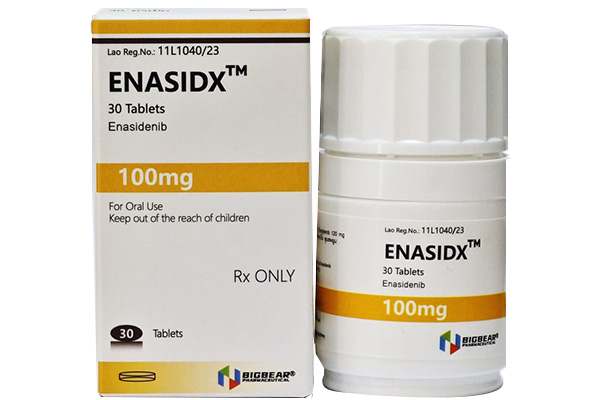
In addition to the expected therapeutic effects, some adverse reactions may occur when receiving enasidenib treatment. While not all side effects will occur, medical intervention may be necessary if they do. If you experience any of the following side effects while taking this medication, it is recommended that you contact your doctor immediately.
Enasidenib Side Effects Requiring Immediate Medical Attention
1. Common Side Effects
These include agitation, cyanosis of the lips/nail or skin (blue discoloration), bone pain, chest pain, chills, confusion, cough, pink frothy sputum, lethargy, decreased urine output, depression, difficulty breathing, rapid or noisy breathing, dizziness, eye pain, syncope, rapid heartbeat, fever, malaise, headache, and hostility.
Excessive sweating, irregular breathing (too fast/too slow or shallow), irritability, lightheadedness, loss of consciousness, muscle or joint pain, muscle twitching, nausea, pale skin, rapid weight gain, shallow and rapid breathing, seizures, severe drowsiness, sore throat, swelling of the neck/groin or armpits, swelling of the arms/feet or calves, swelling of the face/ankles or hands, unusual drowsiness/lethargy/fatigue/weakness or drowsiness, yellowing of the skin or eyes.
2. Other Side Effects
Some side effects of enasidenib usually do not require medical intervention and may gradually subside as the body adapts to the drug.
Consult your doctor immediately about the side effects of enasidenib.
Common Side Effects
Includes altered taste, decreased appetite, diarrhea, loss of taste, and vomiting.
Side Effect Management for Healthcare Professionals
1. Systemic Adverse Reactions
The most common adverse reactions (incidence ≥30%) at any level include increased bilirubin, decreased serum calcium and potassium, nausea, diarrhea, vomiting, and decreased appetite.
2. Hepatic System
Very common (≥10%): Increased total bilirubin (81%).
3. Metabolic System
(1) Very common (≥10%): Decreased serum calcium (74%), decreased serum potassium (41%), decreased appetite (34%), decreased serum phosphorus (27%);
(2) Common (1%-10%): Tumor lysis syndrome, weight loss.
4. Gastrointestinal System
(1) Very common (≥10%): Nausea (50%), diarrhea (43%), vomiting (34%).
(2) Common (1%-10%): Abdominal pain.
5. Hematologic System
Very common (≥10%): Differentiation syndrome (14%), non-infectious leukocytosis (12%).
6. Nervous System
Very common (≥10%): Taste disturbance (12%).
7. Dermatologic System
Common (1%-10%): Skin rash.
8. Genitourinary System
Common (1%-10%): Elevated uric acid.
9. Other
Common (1%-10%): Fever, peripheral edema.
10. Renal System
Common (1%-10%): Renal insufficiency.
11. Respiratory System
Common (1%-10%): Respiratory failure, dyspnea, hypoxemia, pulmonary edema, acute respiratory distress syndrome.