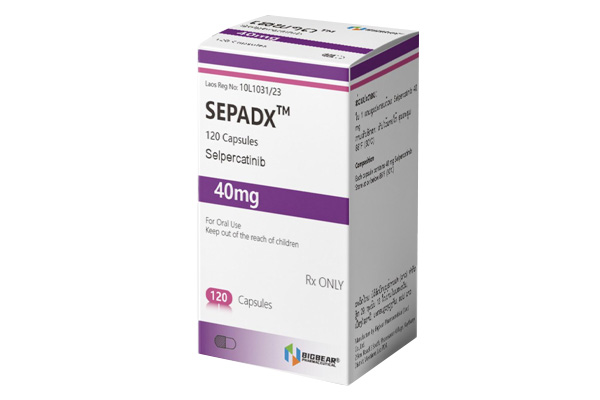
Selpercatinib is a targeted therapy for specific gene mutations (such as RET fusion-positive), primarily used to treat malignant tumors such as thyroid cancer and non-small cell lung cancer. Its price is significantly affected by region, health insurance policies, and purchase channels; specific prices should be confirmed with medical institutions or pharmacies based on real-time information.
Factors Affecting Price
Regional Differences: Pricing policies, taxes, and distribution costs vary across countries. In some countries, inclusion in health insurance significantly reduces out-of-pocket costs.
Dosage and Treatment Duration: Patient weight, disease severity, and treatment response may lead to dosage adjustments, affecting overall costs.
Assistance Programs: Some pharmaceutical companies or charitable organizations offer patient assistance programs; eligible patients can apply for cost reductions.
Precautions for Use
Prescription Guidelines: Selpercatinib must be used strictly according to the doctor's prescription; do not adjust the dosage or discontinue use without medical advice. RET mutation status must be confirmed through genetic testing before treatment.
Side Effect Management: Common side effects include elevated liver enzymes, hypertension, and edema; regular monitoring of liver function and blood pressure is necessary.
Medical Guidance: During treatment, it is recommended to have imaging and blood tests every 2-3 months to assess efficacy and safety. The doctor may adjust the treatment plan if necessary.
Cost Saving Suggestions
Medical Insurance Consultation: Confirm whether local medical insurance covers the indications. Some cities include specific targeted cancer drugs in critical illness insurance.
Assistance Programs: Learn about patient assistance programs through hospital social work departments or pharmaceutical company websites. Some programs can reduce costs by more than 50%.
Purchasing Medications Through Legitimate Channels: Choose public hospitals or authorized pharmacies to avoid financial risks or medication safety hazards caused by purchasing medications through unofficial channels.
Patients and their families should fully communicate with their attending physician regarding their financial situation to develop a personalized treatment plan, prioritizing obtaining medications through legitimate channels and adhering to medical supervision throughout the treatment process.