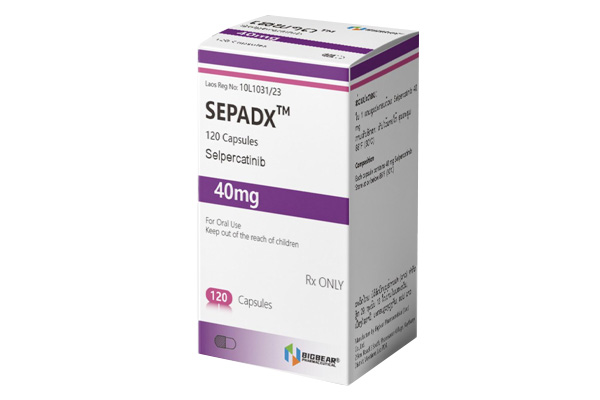
During Selpercatinib treatment, please complete regular re-examinations of liver function, blood pressure, electrocardiograms (ECGs), electrolytes, and thyroid function as prescribed by your doctor. Maintain adequate hydration and monitor your blood pressure throughout the treatment period.
I. Handling Missed Doses and Vomiting
Missed Dose: If it is more than 6 hours before your next scheduled dose, you may take the missed dose. If it is within 6 hours, skip the missed dose and take the next dose at your regular time. Never take a double dose to make up for a forgotten one under any circumstances.
Vomiting: If you vomit after taking the medication, do not take an extra dose; simply take the next dose at the scheduled time.
II. Regular Follow-up Schedule
1. ALT, AST (Liver Function): Test once before treatment; every 2 weeks for the first 3 months; monthly thereafter, with additional tests as clinically indicated.
2. Blood Pressure: Optimize blood pressure before starting treatment; check once after 1 week of treatment, and at least monthly thereafter.
3. ECG, Electrolytes, TSH: Baseline assessment once, with regular re-examinations during treatment. Increase the monitoring frequency when used concomitantly with strong or moderate CYP3A inhibitors or drugs known to prolong the QT interval.
4. Thyroid Function: Once before treatment, with regular re-examinations during treatment.
5. Renal Function (Serum Creatinine): Re-examine along with routine blood tests. There is a common point of misunderstanding here—this drug can inhibit MATE1, thereby reducing renal tubular secretion of creatinine. In healthy subjects, serum creatinine increased by 18% after 10 days of medication.
III. Effects of Selpercatinib on Other Medications
Selpercatinib is a moderate CYP2C8 inhibitor, a weak CYP3A inhibitor, and inhibits both P-gp and BCRP. It increases the concentrations of certain drugs, so pay attention to potential toxic reactions when combining medications.
1. Repaglinide (Antidiabetic drug, CYP2C8 substrate): Exposure increases by 2.9-fold, and peak concentration increases by 1.9-fold. Pay closer attention to hypoglycemia during co-administration.
2. Midazolam (CYP3A substrate): Exposure increases by 1.5-fold.
3. Dabigatran (P-gp substrate, anticoagulant): Exposure increases by 1.4-fold. Bleeding risks will compound—this should be considered alongside the bleeding risks you are already monitoring.
4. Rosuvastatin (BCRP substrate, lipid-lowering drug): Exposure increases by 1.9-fold. Report any worsening of muscle soreness.
IV. Surgery, Tooth Extraction, and Invasive Procedures
Discontinue the medication at least 7 days prior to elective surgery. Do not administer the drug for at least 2 weeks following major surgery, and wait until the wound is fully healed. The timing for resuming medication will be determined by your doctor.
Precautions: Once you are scheduled for surgery, tooth extraction, or a relatively invasive examination, promptly inform your surgeon, anesthesiologist, and oncologist so they can coordinate the schedule for stopping and resuming medication. Do not stop the medication on your own.