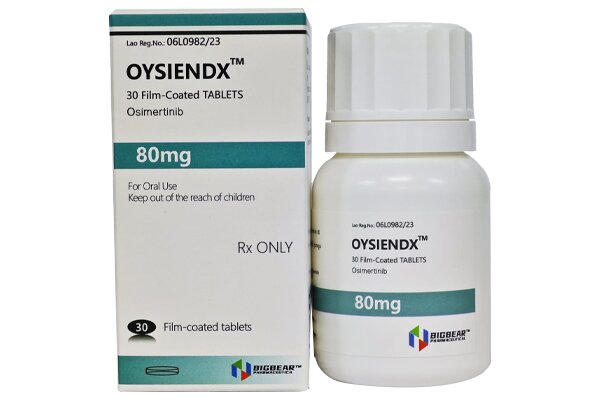
Osimertinib is a targeted therapy for the treatment of certain types of non-small cell lung cancer. Currently, its price in China varies depending on the specification, purchase channel, and medical insurance policy. After medical insurance reimbursement, the out-of-pocket payment can be significantly reduced. The following is a breakdown of specific information:
I. Main Factors Affecting Price Differences
Drug Type and Specification
Original drugs (imported) are more expensive, with specific prices varying depending on regional policies.
Generic drugs (domestic or overseas) are less expensive, but must be purchased through legitimate channels to ensure safety.
Medical Insurance Reimbursement Policy
Patients meeting the indications (e.g., advanced lung cancer with EGFR T790M mutation) can receive reimbursement rates of 30%-80%, with the specific rate determined by local medical insurance policies.
Some regions include osimertinib in outpatient special disease reimbursement, further reducing the burden on patients.
Purchase Channels
Purchasing from hospital pharmacies or designated pharmacies is eligible for medical insurance reimbursement. The out-of-pocket payment needs to be calculated based on the individual's medical insurance type (employee medical insurance, resident medical insurance, etc.).
Non-medical insurance channels (such as some private hospitals or overseas purchasing agents) are often more expensive and carry risks.
II. Financial Assistance and Reduction Policies
Patient Assistance Programs
Some pharmaceutical companies or charitable organizations offer drug assistance programs. Eligible patients can apply for "buy-one-get-one-free" or cost reduction programs, such as receiving free follow-up medication after purchasing a certain course of treatment.
Supplementary Commercial Insurance
Some commercial medical insurance policies can cover expenses not covered by medical insurance. It is necessary to confirm the reimbursement scope of targeted drugs in the insurance policy in advance.
Local Subsidy Policies
Some provinces and cities offer additional subsidies for cancer patients. It is recommended to consult the local medical insurance bureau or community health service center.
III. Precautions for Medication Use
Strictly Follow Doctor's Prescription
Osimertinib requires a prescription based on genetic testing results (such as EGFR mutations). Do not purchase or adjust the dosage yourself.
Regular Follow-up Monitoring
During medication, regular checkups of liver function, electrocardiograms, etc., are necessary to avoid drug interactions (such as increased risk of side effects when used in combination with nonsteroidal anti-inflammatory drugs).
Side Effect Management
Common side effects include rash, diarrhea, and interstitial pneumonia. Severe discomfort requires immediate medical attention.
IV. Medical Guidance and Recommendations
After diagnosis, prioritize genetic testing to confirm eligibility for osimertinib.
Consult your attending physician or the hospital's medical insurance office to understand local reimbursement policies and assistance application procedures.
Purchase medication through legitimate channels, avoiding the use of generic drugs of unknown origin or products purchased through third-party agents.
For further information on costs or treatment options, it is recommended to consult the oncology or respiratory department of a tertiary hospital to develop a precise treatment plan based on your individual circumstances.