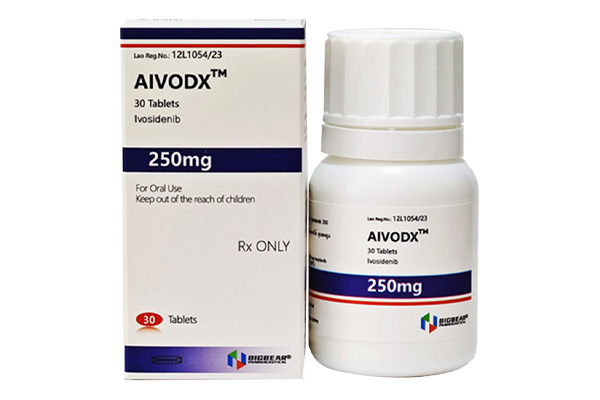
Evonib, a highly selective IDH1 gene mutation inhibitor, blocks abnormal metabolic processes in tumor cells through targeted action. It is primarily used to treat malignant tumors such as acute myeloid leukemia carrying IDH1 mutations.
Purchase Channels for Evonib
1. Hospital Pharmacy: Hospital pharmacies, as legitimate channels for drug distribution, ensure the authenticity and efficacy of all medications sold undergo rigorous quality testing.
Patients can directly obtain a prescription from their attending physician during their consultation and purchase the medication with the prescription alone, without additional verification procedures. Pharmacists will provide professional medication guidance based on the patient's specific condition, treatment plan, and concurrent medications, minimizing medication risks.
2. Online Platforms: Online purchasing offers significant convenience. Patients can place orders from home, making it particularly suitable for those with poor health or limited mobility. Some online platforms regularly offer promotional activities, providing more competitive prices compared to offline channels. Online platforms also offer a wider selection of medication specifications, allowing patients to choose according to their needs.
Daily Care Measures for Leukemia Patients
Lifestyle and Dietary Care
1. Patients need to ensure sufficient sleep, at least 7-8 hours per night. Avoid staying up late and overexertion. Engage in light activities such as walking or slow strolls to improve physical condition, but avoid strenuous exercise to prevent discomfort.
2. Maintain a balanced diet, consuming plenty of high-quality protein-rich foods such as eggs, milk, fish, and soy products. Include fresh vegetables and fruits to supplement vitamins and dietary fiber, enhancing the body's immunity.
3. Avoid spicy, greasy, raw, and cold foods. Strictly abstain from smoking and alcohol to reduce the burden on the body and lower the risk of gastrointestinal discomfort and other adverse reactions.
4. Pay attention to food hygiene. Food must be thoroughly washed and cooked. Avoid consuming unclean food to prevent intestinal infections, especially during chemotherapy or targeted therapy when patients have lower immunity and a higher risk of infection.
Infection Prevention and Care
1. Patients should pay attention to personal hygiene, washing hands frequently daily, especially before meals, after using the toilet, and after touching public items. Thoroughly clean hands with hand sanitizer or soap to avoid bacterial and viral infections.
2. Maintain a clean and hygienic living environment. Regularly ventilate rooms to ensure air circulation and reduce indoor bacterial growth. Disinfect the living environment regularly, such as by wiping furniture and floors with chlorine-based disinfectants.
3. Avoid going to crowded public places such as shopping malls, supermarkets, and hospitals to reduce the chance of contact with pathogens. If going out is necessary, wear a mask and take personal protective measures.
4. Pay attention to oral and skin care. Brush teeth morning and night, and rinse mouth after meals to maintain oral hygiene and prevent oral infections. Keep skin clean and dry, avoiding skin damage. If itching, redness, or swelling occurs, seek medical attention promptly to prevent the infection from worsening.
Psychological Care
1. Family members and medical staff should pay close attention to the patient's mental state, patiently listen to their feelings, provide emotional support and encouragement, help the patient build confidence in overcoming the disease, and alleviate negative emotions such as anxiety and depression. 2. Patients can alleviate the psychological stress of treatment by reading, listening to music, or watching movies and TV shows. They can also join patient support groups to exchange treatment experiences and insights with other patients, reducing feelings of loneliness.
3. If patients experience severe emotional problems, such as persistent insomnia, low mood, or loss of appetite, they should seek help from a mental health professional promptly for professional psychological counseling and intervention to prevent negative emotions from affecting treatment outcomes and quality of life.