Complete English Translation
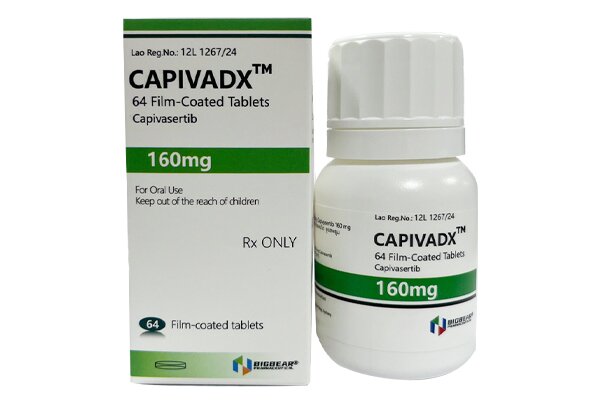
Capivasertib
Capivasertib is an oral targeted anti-cancer drug. It should be stored in a cool, dry place at a temperature between 20°C and 25°C (68°F to 77°F), avoiding extreme temperatures. Clinically, it is often used in combination with Fulvestrant for the treatment of hormone receptor-positive, human epidermal growth factor receptor 2-negative advanced or metastatic breast cancer.
Ways to Purchase Capivasertib
Hospital Pharmacy Purchase
Patients can purchase Capivasertib directly from the pharmacy of the hospital where they received their prescription, by presenting the prescription issued by their oncologist. The advantage of this method is that the drug source is legitimate, quality is strictly guaranteed, and pharmacists can provide on-site medication guidance, answering questions about dosage and management of adverse reactions.
Since Capivasertib is included in the medical insurance catalog, patients who meet the medical insurance reimbursement conditions can directly enjoy the medical insurance reimbursement policy when purchasing at the hospital pharmacy, significantly reducing the financial burden of medication.
Purchase from Authorized Online Pharmaceutical Platforms
Patients can purchase Capivasertib through approved, legitimate online pharmaceutical platforms. When purchasing, they need to upload an electronic prescription issued by a doctor. The order can be placed after the prescription is reviewed and approved by a pharmacist on the platform.
The advantage of online purchasing is its high convenience, especially suitable for patients with limited mobility or those in remote areas with difficult access to hospitals, saving patients the time and effort of traveling to and from the hospital.
Other Concomitant Treatment Measures for Breast Cancer
Combination Chemotherapy
For some patients with advanced or metastatic breast cancer, while undergoing targeted therapy with Capivasertib, chemotherapy drugs may be combined based on the tumor's pathological type, stage, and the patient's physical condition, to further inhibit the spread of tumor cells.
The chemotherapy regimen needs to be personalized by the doctor. Commonly used drugs include taxanes, anthracyclines, etc. During treatment, regular monitoring of blood routine, liver, and kidney function is necessary to promptly detect side effects of chemotherapy such as myelosuppression and gastrointestinal reactions.
During chemotherapy, patients need to ensure adequate nutritional intake to enhance their body's resistance. If severe adverse reactions occur, they must inform their doctor promptly to adjust the treatment plan.
Adjuvant Endocrine Therapy
For breast cancer patients with hormone receptor-positive status, during the phase sensitive to endocrine therapy, endocrine therapy drugs can be combined with Capivasertib treatment to block the stimulatory effect of hormones on tumor cells.
Commonly used endocrine therapy drugs include aromatase inhibitors, selective estrogen receptor modulators, etc. They must be taken strictly according to the doctor's advice, and patients should not stop taking them or adjust the dosage without permission.
The course of endocrine therapy is relatively long. Patients need regular follow-ups to check hormone levels, tumor markers, and undergo imaging examinations to evaluate the treatment effect and adjust medication strategies promptly.
Local Control with Radiotherapy
For breast cancer patients experiencing local recurrence, bone metastases, or brain metastases, radiotherapy can be used for local treatment. It precisely kills tumor cells using radiation, alleviating local symptoms like pain and compression.
Before radiotherapy, precise target area positioning is required to avoid damage to surrounding normal tissues from radiation. During radiotherapy, attention should be paid to skin care, keeping the skin in the irradiated area clean and dry, and avoiding friction and sun exposure.
Radiotherapy can be given concurrently or sequentially with Capivasertib targeted therapy. The specific treatment sequence should be determined by a multidisciplinary team based on the patient's condition.
Nutritional Support Therapy
During treatment, breast cancer patients are prone to symptoms like loss of appetite, nausea, vomiting, and weight loss. Timely nutritional support is needed to ensure a balanced intake of protein, vitamins, minerals, etc., enhancing the body's ability to tolerate treatment.
A personalized diet plan can be developed under the guidance of a nutritionist. Priority should be given to high-quality protein foods such as eggs, milk, and fish. Patients should eat plenty of fresh vegetables and fruits, and avoid spicy, stimulating, greasy, raw, or cold foods.
For patients with severely inadequate nutritional intake, after evaluation by a doctor, oral nutritional supplements or enteral/parenteral nutrition support can be used to maintain the body's normal metabolic needs.