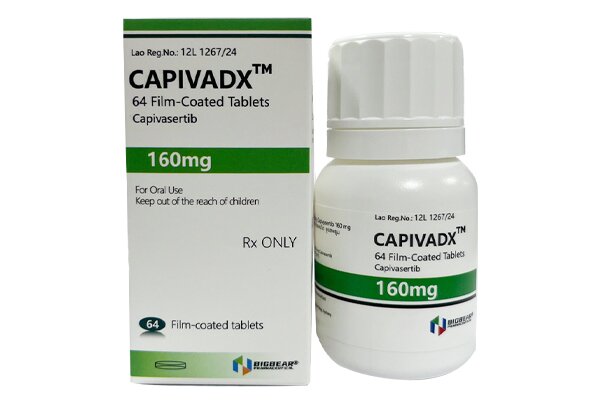
Capivasertib is an oral small-molecule targeted drug whose primary mechanism of action involves inhibiting serine/threonine kinase. By blocking relevant signaling pathways, it inhibits tumor cell proliferation and induces tumor cell apoptosis. Clinically, it is often used in combination with fulvestrant for the treatment of specific types of breast cancer patients.
Price of Capivasertib
The price range for capivasertib is approximately between $310 and $406. There are significant differences in the pricing of different versions of capivasertib. Furthermore, drug prices can fluctuate due to external factors such as market supply and demand and exchange rate changes. For specific pricing, please consult a professional.
Daily Care for Breast Cancer Patients
Medication Care
Strictly follow the doctor's advice regarding the medication schedule and dosage. Do not change the dose or stop the medication on your own. If a dose is missed inadvertently, consult your doctor promptly for appropriate remedial measures based on the length of time since the missed dose. Never double the next dose on your own.
While taking capivasertib, closely monitor yourself for drug-related side effects such as hyperglycemia, diarrhea, and adverse skin reactions. Keep a record of these symptoms, including their onset time, duration, and severity, and report them to your doctor during follow-up visits.
Store the medication properly in a cool, dry, well-ventilated place away from light, and keep it out of the reach of children. Avoid storing it mixed with other medications to prevent deterioration or confusion.
Dietary Care
Follow a diet high in protein, high in vitamins, low in fat, and easy to digest. Consume high-quality protein foods such as eggs, milk, fish, and soy products to supplement nutrition and enhance the body's resistance.
Eat plenty of fresh vegetables and fruits, such as broccoli, carrots, apples, and oranges, to supplement dietary fiber and vitamins, promote bowel movement, and prevent constipation. At the same time, reduce the intake of stimulating foods like spicy, greasy, and raw/cold items.
If you experience gastrointestinal discomfort like nausea or vomiting during treatment, try eating smaller, more frequent meals and avoid taking medication on an empty stomach to reduce the burden on the gastrointestinal tract. If necessary, take antiemetic medication as prescribed by your doctor.
Lifestyle and Rest Care
Ensure adequate sleep, aiming for no less than 7 hours of sleep per night. Avoid staying up late and overexerting yourself. Establish a regular sleep schedule to allow your body to rest fully, which aids in recovery.
Engage in moderate physical exercise based on your physical condition, such as gentle activities like walking, tai chi, or yoga. Avoid strenuous exercise. If you experience discomfort like fatigue or dizziness during exercise, stop and rest immediately.
Pay attention to personal hygiene. Keep your skin clean and dry, and change clothes frequently. Avoid friction or irritation to the skin. Patients experiencing adverse skin reactions, in particular, need to enhance skin care to prevent skin breakdown and infection.
Psychological Care
Maintain a positive and optimistic attitude. Correctly understand the disease and its treatment process, and avoid excessive negative emotions like anxiety and fear. You can relieve psychological stress by listening to music, watching movies, or communicating with family and friends.
Actively learn about the disease and treatment progress to strengthen your confidence in treatment. If necessary, join support groups for breast cancer patients to share experiences and encourage each other.
Family members and caregivers need to provide patients with sufficient care and companionship, pay attention to changes in their psychological state, offer timely guidance and comfort, and create a warm and comfortable environment for the patient's treatment and recovery.