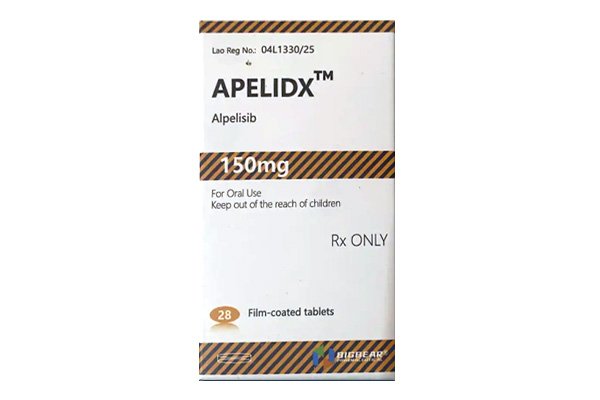
Alpelisib has relatively many adverse reactions. If not detected and treated promptly and correctly, these can have a significant impact on the patient's health and even be life-threatening. Only by timely understanding and proper management of these potential side effects can the patient's health be guaranteed to the greatest extent possible.
Serious Side Effects of Alpelisib
In addition to its necessary therapeutic effects, Alpelisib (the active ingredient in Piqray) may also cause some adverse reactions. Although not all side effects will occur, if they do, medical attention may be necessary.
Common side effects of Alpelisib:
Bladder pain, swelling/bloating of the face, arms, hands, lower limbs, or feet; hematuria or cloudy urine; blurred vision; diarrhea; difficulty urinating; burning or pain; dry mouth; fever; flushed skin; dry skin; frequent urination; fruity breath odor; increased appetite; increased thirst; increased urination; lower back or flank pain; nausea; rapid weight gain; abdominal pain; sweating; tingling in the hands and feet; difficulty breathing; unexplained weight loss; unusual fatigue or weakness; unusual weight gain or loss; vomiting.
Less common side effects of Alpelisib:
Pale skin; abnormal bleeding or bruising.
Side effects of Alpelisib with unknown incidence:
Black stools, blistering, peeling or loosening of the skin, chest pain, chills, cough, itching, joint or muscle pain, large patches of hive-like swelling of the face, eyelids, lips, tongue, throat, hands, legs, feet, or genitals, painful or difficult urination, red or irritated eyes, red skin lesions (often with a purple center), sore throat, mouth or lip ulcers, white patches, swollen lymph nodes.
Other side effects of Alpelisib:
Common side effects such as flushing, dizziness, and fatigue usually resolve on their own without medical attention. However, more serious side effects such as mouth ulcers, rash, or renal insufficiency require immediate medical attention.
These adverse reactions will gradually disappear as the body adapts to Alpelisib during treatment.
Common but usually non-medically concerning side effects:
Hiccups, weight loss, dry skin or mouth, hair loss or thinning, headache, heartburn, indigestion, altered or lost taste, stomach upset or discomfort, swelling or inflammation of the mouth.
Management advice for Alpelisib side effects for healthcare professionals:
General adverse events:
The most common adverse reactions include abnormal laboratory test results (all grades, incidence ≥20%), including elevated blood glucose, elevated creatinine, diarrhea, rash, decreased lymphocyte count, elevated GGT, nausea, elevated ALT, fatigue, decreased hemoglobin, elevated lipase, decreased appetite, stomatitis, vomiting, weight loss, decreased blood calcium, decreased blood glucose, prolonged activated partial thromboplastin time (aPTT), and hair loss.
Incidence of Adverse Reactions of Alpelisib by Systemic Classification
1. Systemic Adverse Reactions
Very common (≥10%):
Elevated blood glucose (79%), hyperglycemia (65%), weight loss (27%), decreased blood calcium (27%), hypoglycemia (26%), fatigue (42%), peripheral edema (15%), fever (14%).
2. Skin-related Adverse Reactions
Very common (≥10%):
Rash (52%, such as maculopapular rash, generalized rash, etc.), hair loss (20%), pruritus (18%), dry/cracked skin (18%).
Rare (0.1%-1%):
Stevens-Johnson syndrome (SJS), erythema multiforme (EM).
3. Gastrointestinal Tract
Very common (≥10%):
Diarrhea (58%), nausea (45%), stomatitis/ulceration (30%), vomiting (27%).
Mucosal inflammation (19%), abdominal pain (17%), dry mucosa (12%).
4. Hematologic System
Very common (≥10%):
Lymphopenia (52%), decreased hemoglobin (42%), thrombocytopenia (14%).
5. Liver and Kidney Function
Very common (≥10%):
Elevated serum creatinine (79%), elevated gamma-glutamyl transferase (GGT) (52%), elevated alanine aminotransferase (ALT) (44%).
6. Other
Allergic Reactions (Rare, 0.1%-1%):
Severe hypersensitivity reactions (e.g., anaphylactic shock, dyspnea, flushing, etc.).
Respiratory system (common, 1%-10%):
Pneumonia (including acute interstitial pneumonia).