
BIGBEAR
PHARMACEUTICALS
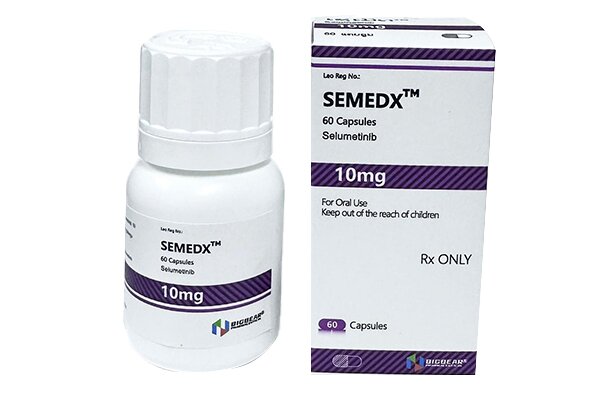
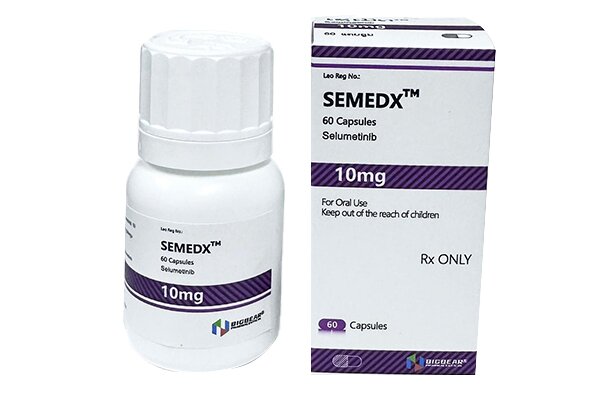
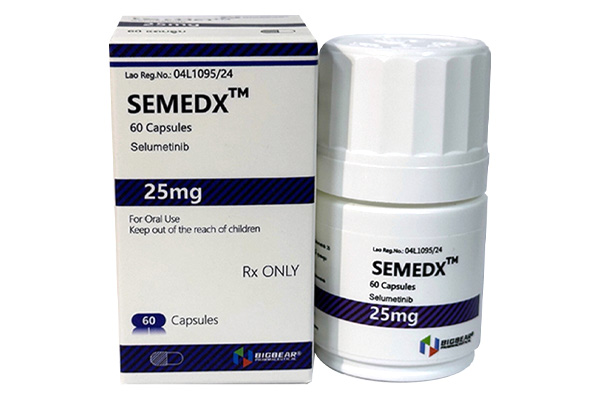
Selumetinib inhibits the activity of MEK1/2 proteins, blocks the RAS/RAF/MEK/ERK signaling pathway, and thereby suppresses the proliferation and survival of tumor cells.

 AuthenticGuaranteeFast DeliveryPrivacy
 Selumetinib is a targeted therapeutic agent for tumor cells, with its main component being a selective inhibitor of mitogen-activated protein kinase kinase 1 and 2 (MEK1/2). This inhibitor blocks the growth and proliferation of tumor cells, reduces the number and size of neurofibromas, and is primarily indicated for the treatment of pediatric patients with neurofibromatosis who cannot be surgically resected.
This product is indicated for the treatment of pediatric patients aged 3 years and older who have been diagnosed with neurofibromatosis type 1 (NF1) and present with symptomatic plexiform neurofibromas (PN). These tumors are typically large, located in anatomically challenging sites, and cannot be completely resected via surgery. The drug helps control disease progression by inhibiting the core pathway of tumor cell proliferation.
This medication primarily improves the following typical symptoms:
1.Café-au-lait macules: Coffee-colored patches on the skin, varying in size and shape, resembling milk droplets.
2.Multiple neurofibromas: Multiple benign tumors distributed along nerves, which may cause pain or pressure symptoms.
3.Lisch nodules: Small pigmented nodules in the iris of the eye.
If you are taking other medications, you must inform your doctor of your full medical history and current medications before starting a new treatment. Females who are planning a pregnancy, pregnant, or breastfeeding must proactively disclose this information to their doctor.
This medication should be used under the supervision of a physician experienced in the diagnosis and treatment of tumors associated with neurofibromatosis type 1 (NF1).
Oral Administration: Take on an empty stomach (no food for 2 hours before and 1 hour after dosing; only water is allowed).
Swallow whole: Do not chew, dissolve, or open the capsules, as this may affect drug release and absorption.
Swallowing Assessment: The physician must assess the patient’s ability to swallow capsules before treatment initiation; patients unable to swallow should not use this product.
Dosing Calculation: Based on body surface area (BSA). The standard dose is 25 mg/m² twice daily (approximately 12 hours apart).
Dose Adjustment: The calculated dose is rounded to the nearest 5 mg or 10 mg increment (maximum single dose: 50 mg).
Duration: Continue treatment as long as it is effective and no severe adverse reactions occur, until disease progression or unacceptable toxicity.
Limited data exists for adult patients (≥18 years); initial use in adults is not recommended.
For pediatric patients, continuation of treatment into adulthood should be evaluated by a physician based on efficacy and risk.
Tolerance Management: Temporary interruption, dose reduction, or permanent discontinuation may be required based on tolerability.
Standard Reduction: Daily dose may be split into one or two administrations.
Discontinuation: Permanently discontinue if intolerant after two dose reductions.
Avoid concomitant use with strong or moderate CYP3A4/CYP2C19 inhibitors (may alter metabolism). Prefer alternative agents.
If co-administration is unavoidable:
1.Reduce 25 mg/m² twice daily to 20 mg/m² twice daily.
2.Reduce 20 mg/m² twice daily to 15 mg/m² twice daily.
Dosing instructions may vary between manufacturers. If discrepancies are found, consult a physician or pharmacist to confirm the regimen.
If a dose is missed, it may be taken only if more than 6 hours remain before the next scheduled dose. If the next dose is due in less than 6 hours, do not make up the missed dose and do not increase the subsequent dose; simply continue with the regular dosing schedule as planned.
Storage: Store in a tightly sealed container at ≤30°C. Shelf life: 36 months.
Supervision: Use under medical supervision; monitor for changes to ensure safety and efficacy.
Diet: Maintain a light diet; avoid spicy foods (e.g., chili, Sichuan pepper) to prevent reduced efficacy or adverse reactions.
Product Integrity: Discontinue use if the color, shape, or odor of the drug changes significantly.
Safety: Keep out of reach of children.
Animal studies indicate that this drug may cause abnormal fetal development, low birth weight, or even fetal death. Therefore, use during pregnancy is generally not recommended. If the patient or their partner becomes pregnant, they must immediately inform their doctor to assess the potential risks.
To avoid the drug passing into breast milk and affecting the infant, breastfeeding must be suspended during treatment.
There is currently insufficient clinical data to support the safety of this product in this age group.
No dedicated pharmacotherapy data is available for this age group.
Females who are planning a pregnancy, pregnant, or breastfeeding must proactively inform their doctor of their current health status during medical visits, so that a personalized treatment plan can be formulated.
No dose adjustment is required for patients with mild, moderate, or severe renal impairment, including those requiring dialysis.
Mild impairment: No dose adjustment.
Moderate impairment: Starting dose reduced to 20 mg/m² twice daily.
Severe impairment: Use is contraindicated.
Include abnormal diarrhea, anemia (manifesting as fatigue, dizziness, etc.), and persistent fever.
Vomiting, rash, diarrhea, nausea, fatigue, dry skin, fever, acne-like rash, decreased blood albumin (which may cause edema), and paronychia.
These reactions may be related to individual constitution, dosage, and other factors. It is recommended to monitor your condition during treatment. If symptoms such as worsening rash, severe diarrhea (more than 3 watery stools per day) occur, measure your blood pressure, heart rate, and respiratory rate promptly and seek medical attention immediately.
Who should NOT use selumetinib:
1.Patients with a known hypersensitivity to the active ingredient or any excipient (e.g., hypersensitivity reactions such as rash, difficulty breathing).
2.Patients with severe hepatic impairment (those with severely reduced liver metabolic function).
These two groups of patients may experience severe consequences if treated, so use is strictly prohibited.
When adverse reactions occur, the physician will take measures based on the severity:
Mild reactions: Temporary treatment interruption for observation.
Moderate reactions: Dose reduction with continued treatment.
Severe reactions: Permanent treatment discontinuation.
Important Note: Do not discontinue treatment on your own. If significant discomfort occurs after administration, seek medical attention immediately for evaluation and treatment plan adjustment.
If any issues arise, please contact us immediately.
Email:haiousales@gmail.com

Copyright2024@ BIGBEAR All right reserved BIGBEAR


