Neurofibromatosis type 1 (NF1) is an incurable genetic disorder that typically manifests in early childhood. Its severity varies greatly and can reduce life expectancy by up to 15 years. This disease is caused by a spontaneous or inherited mutation in the NF1 gene, and is associated with symptoms such as soft lumps on and under the skin, and skin pigmentation. 20%–50% of patients also develop benign plexiform neurofibromas (PN), which can cause pain, motor dysfunction, and disfigurement. As a rare, incurable genetic disorder, there are currently no approved drugs.
NF1 can lead to many complications, including learning difficulties, spinal curvature and twisting, high blood pressure, and epilepsy. NF1 also increases the risk of other cancers, including malignant brain and peripheral nerve sheath tumors and leukemia. It typically manifests in early childhood, and its severity varies greatly, potentially reducing life expectancy by up to 15 years.
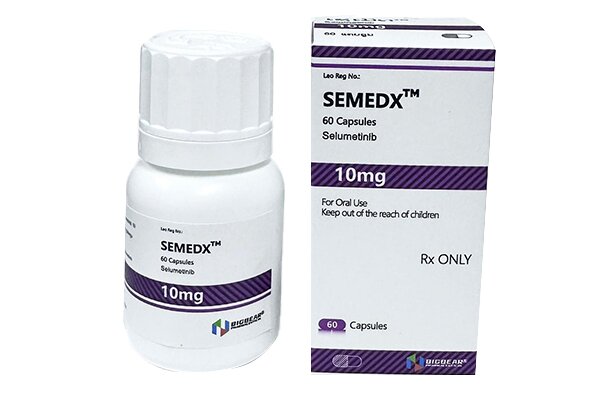
AstraZeneca and Merck & Co.'s targeted cancer drug selumetinib was recently granted Breakthrough Therapy Designation (BTD) by the U.S. FDA, allowing it to be used to treat pediatric patients aged 3 years and older with symptomatic and/or progressive, inoperable plexiform neurofibromatosis (PN) associated with neurofibromatosis type 1 (NF1). Selumetinib had previously received Orphan Drug Designation from the FDA and EMA for the treatment of NF1.
Selumetinib, an oral, potent, and selective MEK1/2 inhibitor, works primarily by inhibiting the MEK enzyme in the RAS/MAPK pathway, which negatively regulates cell growth, differentiation, and survival. Mutations in the NF1 gene can lead to dysregulation of the RAS/RAF/MEK/ERK signaling pathway, potentially causing cells to grow, divide, and replicate uncontrollably, and consequently, tumor growth. Selumetinib inhibits tumor growth by suppressing the MEK enzyme in this pathway. Currently, selumetinib is being evaluated in clinical trials as a monotherapy and in combination with other therapies for the treatment of various types of tumors.
Phase II data from the Phase I/II SPRINT study (NCT01362803) provided evidence for the FDA to grant selumetinib a BTD (Best Before Treatment) designation. This study enrolled pediatric patients aged 3 years and older with inoperable NF1-related neurofibromatosis (PN). The Phase I data showed an overall response rate (ORR) of 71% (n=17/24) with selumetinib treatment; the Phase II data showed an ORR of 72%, confirming the Phase I data. Most responses lasted for more than 6 months, with improvements in PN-related pain and movement disorders.
This study also demonstrates promising data for selumetinib in the treatment of NF1-related PN, and we hope that this drug can meet the medical needs of this patient population, providing effective treatment for more patients with neurofibromatosis type 1 (NF1) and plexiform neurofibroma (PN).