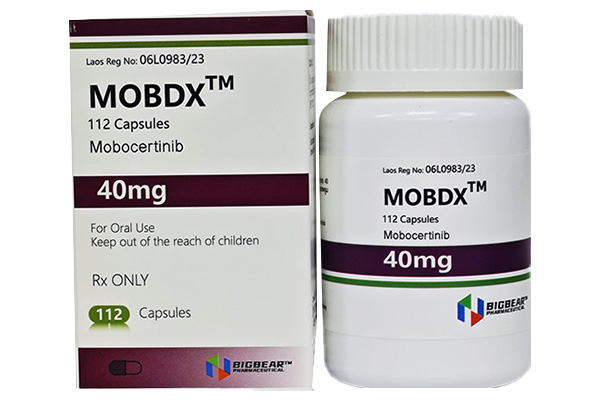
Mobocertinib is a targeted therapy for EGFRexon20 insertion-mutated non-small cell lung cancer. Common side effects include diarrhea, rash, stomatitis, nausea, vomiting, and decreased appetite. In severe cases, it may cause cardiotoxicity (such as QT interval prolongation), interstitial lung disease, and elevated liver enzymes, requiring close monitoring and management as directed by a physician.
Common Side Effects (High Incidence)
Gastrointestinal Reactions: Diarrhea (potentially severe), nausea, vomiting, decreased appetite, oral ulcers or inflammation.
Skin Reactions: Rash, dry skin, itching; paronychia may occur in rare cases.
Systemic Symptoms: Fatigue, weight loss, muscle or joint pain.
Serious Side Effects to Watch Out For:
Cardiac Problems: QT interval prolongation may occur, increasing the risk of arrhythmias; regular electrocardiogram monitoring is required.
Interstitial Lung Disease (ILD): Manifests as dyspnea, worsening cough, and hypoxemia; immediate discontinuation of the drug and medical attention are necessary.
Liver damage: Elevated transaminases or bilirubin levels require regular liver function tests.
Other: Electrolyte abnormalities such as hypomagnesemia and hypokalemia may require supplementation and adjustment.
Precautions and Management
Monitoring and Follow-up: Regularly monitor electrocardiograms, liver and kidney function, and electrolytes during medication, especially in the first 1-2 months.
Symptom Management: For diarrhea, use antidiarrheal medication as prescribed and pay attention to fluid replacement to prevent dehydration. Keep rashes or skin reactions clean and avoid irritation; use topical or oral medications if necessary.
Dosage Adjustment: If severe side effects occur (such as ≥ grade 3 diarrhea or ILD), medication should be temporarily or permanently discontinued, as assessed by a physician.
Mobotinib is a prescription drug and requires evaluation by a professional physician before use. Strictly follow the doctor's instructions during treatment and report any discomfort promptly. Seek immediate medical attention if emergency symptoms such as chest pain, difficulty breathing, or fainting occur.