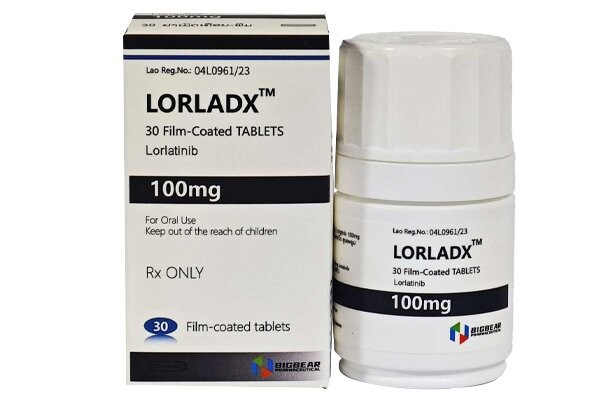
Lorlatinib is a highly selective, third-generation ALK/ROS1 targeted therapy drug with strong central nervous system penetration. Its clinical formulation is a film-coated tablet, and its main component is lorlatinib. It is indicated for the treatment of ALK-positive non-small cell lung cancer, showing significant efficacy especially in patients who have developed resistance after prior treatment with ALK inhibitors or who have developed brain metastases.
Price of Lorlatinib
The price of Lorlatinib varies considerably depending on factors such as the version, sales region, and medical insurance policies. The price range is approximately 52 to 154 US dollars per box. Please consult professionals for specific details.
Other Treatment Modalities for Non-Small Cell Lung Cancer
The treatment of non-small cell lung cancer must follow comprehensive and individualized principles. Besides targeted therapy, it includes various modalities such as surgery, radiation therapy, chemotherapy, and immunotherapy. The specific treatment plan needs to be formulated by a doctor based on the patient's physical condition, tumor stage, and pathological type.
Surgical Treatment
Applicable Patients: Primarily suitable for patients with stage I and II non-small cell lung cancer. Some stage III patients, whose tumors shrink after treatment, may also gain the opportunity for surgical resection. For early-stage patients who cannot tolerate surgery due to severe underlying heart or lung diseases, or who subjectively are unwilling to undergo surgery, other curative treatment options can be chosen.
Surgical Procedures: Common procedures include lobectomy, pneumonectomy, and segmentectomy, with lobectomy being the preferred choice. It aims to achieve tumor eradication while maximizing the preservation of lung function.
Postoperative Adjuvant Therapy: Some patients may require adjuvant radiotherapy or chemotherapy after surgery, especially those with mediastinal lymph node metastasis or positive margins, to reduce the risk of recurrence.
Radiation Therapy
Curative Radiotherapy: Applicable for early-stage patients unfit for surgery. Stereotactic body radiotherapy (SBRT) is used to deliver a precise, focused, "ablative" dose of radiation to the tumor, achieving curative effects comparable to surgery.
Concurrent Chemoradiotherapy: This is the standard treatment for locally advanced (stage III) non-small cell lung cancer. Radiotherapy and chemotherapy are administered concurrently to effectively control tumor growth. Some patients may become eligible for surgery afterward. The typical radiation dose is 60-70 Gy.
Postoperative Adjuvant Radiotherapy: For patients with positive surgical margins or mediastinal lymph node metastasis, radiotherapy is initiated 4-6 weeks after surgery. It targets the bronchial stump and high-risk lymph node areas to eliminate residual cancer cells.
Palliative Radiotherapy: Used for advanced-stage patients with distant metastases, such as bone or brain metastases. It can rapidly alleviate symptoms like pain and increased intracranial pressure, improving quality of life. The pain relief efficacy rate for bone metastasis radiotherapy exceeds 70%.
Chemotherapy
Postoperative Adjuvant Chemotherapy: Applicable for stage II and III patients after surgery. Chemotherapy drugs are used to eliminate potential micrometastases and prolong progression-free survival. Commonly used drugs include pemetrexed, cisplatin, and carboplatin.
Neoadjuvant Chemotherapy
Used for locally advanced patients. 2-4 cycles of chemotherapy are administered before surgery to shrink the tumor, increase the rate of successful surgical resection, and improve treatment outcomes.
Palliative Chemotherapy: One of the main treatment modalities for advanced (stage IV) patients. It can control the progression of systemic lesions and alleviate symptoms such as cough and hemoptysis. Combination chemotherapy regimens are commonly used, and dosages need adjustment based on the patient's performance status.
Immunotherapy
Applicable Patients: Primarily suitable for patients with advanced non-small cell lung cancer, especially those with positive PD-L1 expression. It can be used as a first-line or second-line treatment option.
Treatment Principle: By activating the patient's own immune system, it enhances the ability of immune cells to recognize and kill tumor cells. It is characterized by durable treatment effects and relatively mild side effects.
Commonly Used Drugs: Includes pembrolizumab, nivolumab, sintilimab, etc. Some of these drugs have been included in medical insurance catalogs, reducing the treatment cost for patients.