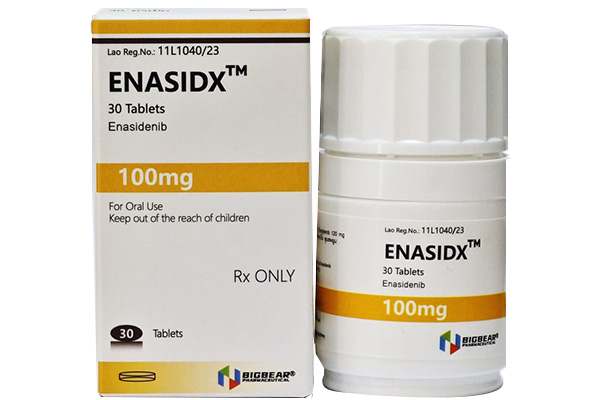
Encilidipine, also known as IDHIFA or encilidipine mesylate, is a drug used to treat adult patients with relapsed or refractory acute myeloid leukemia (AML) caused by isocitrate dehydrogenase-2 (IDH2) mutations. For patients, the choice of purchasing channel, dietary management, and medication-related contraindications are all crucial factors in ensuring treatment effectiveness. Currently, encilidipine is not approved for marketing in China and is not covered by medical insurance; patients must purchase the drug through overseas channels.
How to Purchase Encilidipine
Since encilidipine is not yet available in the Chinese market and is not covered by the domestic medical insurance system, several generic versions are currently available. Patients can purchase it through compliant channels, such as regular hospitals, professional pharmacies, or legally qualified medical service institutions.
Prioritize Purchasing Through Legitimate Channels
To ensure the authenticity and efficacy of the purchased medication, patients should prioritize purchasing encilidipine from regular hospitals or large chain pharmacies. These institutions generally have strict drug procurement and acceptance mechanisms, which can maximize the guarantee of drug quality. When purchasing medication, patients must present a prescription from their doctor and carefully verify the drug's specifications, manufacturer, and expiration date.
Overseas Medication Purchases Require Caution
Given that emcidipine is available in some overseas countries, some patients may prefer to purchase it through overseas channels. However, overseas purchases carry several risks, such as difficulty in verifying the authenticity of the medication and potential spoilage during transport. Before planning to purchase medication overseas, patients should thoroughly understand the drug's source, transportation methods, and after-sales service mechanisms, and try to choose reputable and fully qualified overseas pharmacies or medical institutions for transactions.
Dietary Precautions During Emcidipine Treatment
Patients taking emcidipine should pay attention to adjusting their diet to improve the effectiveness of the medication and reduce the probability of adverse reactions.
Increase Dietary Fiber Intake
Dietary fiber effectively promotes intestinal motility and helps prevent constipation and other adverse reactions that may occur after taking the medication. Therefore, patients should appropriately increase their intake of fiber-rich foods such as vegetables and fruits during medication use.
Maintaining a Balanced Diet
Besides avoiding high-fat foods and increasing dietary fiber intake, patients should ensure a balanced diet, consuming sufficient protein, vitamins, and minerals to maintain good health and boost immunity.
Precautions for Using Enxidipine
Enxidipine is a prescription drug, and following these precautions is crucial. Patients must strictly follow their doctor's instructions, taking the medication on time and in the prescribed dosage, and closely monitor their condition.
Strictly Adhere to the Prescribed Dosage
The usual recommended dose of enxidipine is 100 mg orally once daily until disease progression or intolerable toxicity. Patients must strictly adhere to the dosage prescribed by their doctor and should not increase or decrease the dosage or change the frequency of administration without authorization. For further questions, please click for free online consultation.
Closely Monitor for Adverse Reactions
Enxidipine may cause adverse reactions such as nausea, vomiting, diarrhea, and elevated bilirubin levels during treatment. Patients should closely monitor their physical condition while taking this medication. If any discomfort occurs, they should immediately seek medical attention and inform the attending physician about the medication.
Friendly reminder: Patients should purchase Enxidipine through legitimate channels, pay attention to adjusting their diet to improve treatment effectiveness and reduce adverse reactions, strictly follow the doctor's instructions, and closely monitor their physical condition.