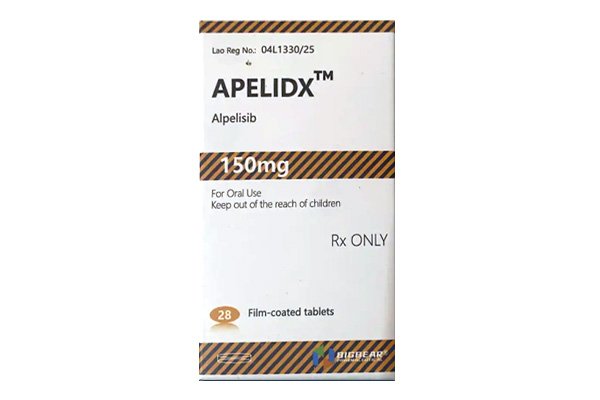
Alpelisib is a targeted therapy directed against PIK3CA mutations, developed by Novartis Pharmaceuticals of Switzerland. This article provides a detailed analysis of the number of boxes required per treatment cycle, cost, and contraindications of alpelisib, to help patients and their families better understand this medication.
Number of Boxes of Alpelisib per Treatment Cycle
The number of boxes required depends on the dosage and treatment duration. At the recommended dose of 300 mg daily (two 150 mg film‑coated tablets), treatment is continued until disease progression or unacceptable toxicity. Calculations are based on different strengths and cycles.
Number of Boxes for the 150 mg Strength
Taking the Lao Da Xiong version (150 mg × 28 tablets per box) as an example:
Two tablets daily mean one box lasts 14 days.
A 28‑day cycle requires 2 boxes.
A 3‑month course requires 6 boxes.
Long‑Term Treatment Quantity
For long‑term treatment, patients should plan purchases according to actual duration to avoid treatment interruption. For example, a 6‑month course requires 12 boxes (150 mg × 28 tablets per box).A 50 mg × 28 tablets per box strength is also available, with similar calculation methods.Patients should select the appropriate strength and quantity based on their condition and physician advice to ensure continuous treatment.
Cost of Alpelisib
Prices vary by strength and are for reference only, subject to fluctuations:
50 mg × 28 tablets per box: approximately 89 US dollars
150 mg × 28 tablets per box: approximately 236 US dollars
Contraindications of Alpelisib
Despite significant efficacy, alpelisib has contraindications and precautions that require strict medical supervision.
Severe Allergic Reactions
Alpelisib may cause severe allergic reactions, including dyspnea, rash, and fever. If allergic symptoms occur, the drug should be discontinued immediately and medical attention sought.
Risk of Hyperglycemia
Alpelisib may induce severe hyperglycemia, especially in obese, diabetic, or elderly patients. Blood glucose should be monitored regularly during treatment, with antihyperglycemic regimens adjusted as needed.
Contraindication in Pregnant and Lactating Women
Alpelisib is potentially harmful to the fetus and is contraindicated in pregnancy. Lactating women should discontinue breastfeeding during treatment to avoid adverse effects on infants.
Patients should fully understand contraindications before treatment and develop a personalized regimen under physician guidance to minimize risks.