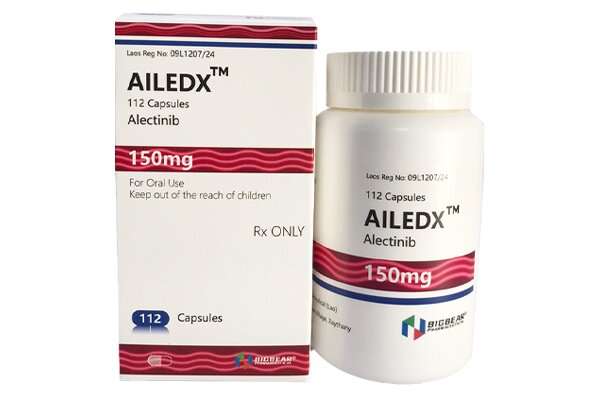
Adverse Reactions of Alectinib
Alectinib’s adverse reactions are based on clinical trial and post-marketing observations. Incidence rates are for reference only due to varying trial conditions.
Common Adverse Reactions
The most common (≥20%) adverse reactions are constipation, edema, myalgia, nausea, elevated bilirubin, anemia, and rash, mostly mild to moderate.
Clinically Important Adverse Reactions
Hepatotoxicity: May cause elevated transaminases, mainly within the first 3 months of treatment. Most events are mild to moderate and reversible after dose interruption or reduction; severe liver injury is rare.
Bradycardia: Mostly mild with reduced heart rate. Usually no discontinuation is needed; manage per medical advice if symptomatic.
Myalgia and elevated CPK: Relatively common, mostly mild. A small number of patients show elevated creatine phosphokinase, which can be managed symptomatically.
Gastrointestinal reactions: Mainly constipation, nausea, diarrhea, and vomiting, generally mild and decreasing over time.
Overall safety is manageable. Seek medical attention promptly and adjust the dose as directed if discomfort occurs.
Precautions for Alectinib
Interstitial Lung Disease / Non-Infectious Pneumonitis
Monitor pulmonary symptoms. Interrupt treatment immediately upon diagnosis; permanently discontinue if no other underlying cause is identified.
Hepatotoxicity
Assess liver function (ALT, AST, total bilirubin) at baseline, every 2 weeks for the first 3 months, and periodically thereafter. Monitor more frequently if liver enzymes or bilirubin rise. Interrupt, reduce, or permanently discontinue based on severity.
Severe Myalgia and Elevated CPK
Instruct patients to report unexplained myalgia, tenderness, or weakness. Assess CPK every 2 weeks in the first month and as needed clinically. Interrupt, resume, or reduce dose based on CPK elevation.
Renal Impairment
Permanently discontinue for Grade 4 renal toxicity. Interrupt for Grade 3 renal toxicity and resume at a reduced dose after recovery.
Bradycardia
Monitor heart rate and blood pressure. No dose adjustment is needed for asymptomatic bradycardia. Evaluate concomitant medications and adjust alectinib dose for symptomatic or life-threatening bradycardia.
Photosensitivity
Avoid prolonged sun exposure during treatment and for at least 7 days after stopping. Use broad-spectrum sunscreen and lip balm with SPF ≥50 to prevent sunburn.