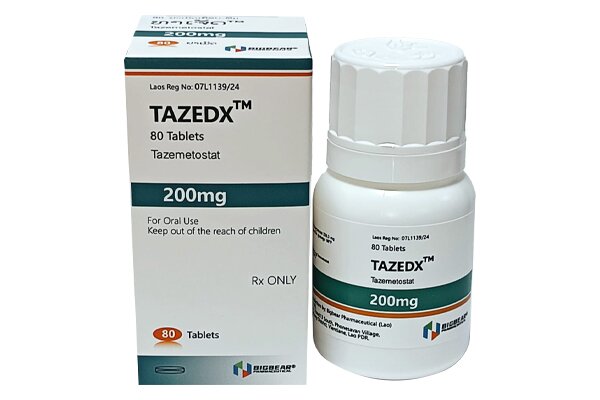
While using Tazemetostat, different side effects may occur, some of which are relatively serious. If you are not aware of the serious side effects of Tazemetostat, please consult your doctor.
Serious Side Effects of Tazemetostat
If you experience any of the following side effects while taking Tazemetostat, contact your doctor immediately:
1. More Common Side Effects
Bladder pain, bleeding gums, blood in urine or cloudy urine, general body aches or pain, chest pain or tightness, cough, coughing up blood, difficulty or pain with urination, difficulty breathing or swallowing, dizziness, ear fullness, fever or chills, frequent urination, headache, increased menstrual flow or unusual vaginal bleeding, loss of voice, lower back or side pain, muscle or bone pain, nosebleeds, pale skin, prolonged bleeding from cuts, red or black tarry stools, red or dark brown urine, redness, itching, pain, swelling, tenderness or warmth of skin, sneezing, sore throat, stuffy or runny nose, unusual bleeding or bruising, unusual tiredness or weakness.
2. Less Common Side Effects
Confusion, fast heartbeat, dizziness or fainting, painful blisters on the trunk, rapid shallow breathing.
3. Rare Side Effects
General feeling of discomfort, hoarseness, ulcers or white spots on lips or inside the mouth, swollen glands, weight loss, yellowing of skin and eyes (jaundice).
Other Side Effects of Tazemetostat
If you experience any of the following side effects while taking Tazemetostat, they usually do not require medical intervention. If these side effects persist, become bothersome, or if you have any questions about them, consult your doctor:
Constipation, decreased appetite, diarrhea, hair loss or thinning, nausea or vomiting, rash, stomach pain.
Management of Tazemetostat Side Effects for Healthcare Professionals
1. General Adverse Events
Most common adverse reactions (incidence ≥20%): pain, musculoskeletal pain, abdominal pain, fatigue, nausea, decreased appetite, vomiting, upper respiratory tract infection, and constipation.
2. Skin and Subcutaneous Tissue
Very common (≥10%): alopecia (17%), rash (15%).
Common (1%-10%): herpes zoster.
3. Gastrointestinal System
Very common (≥10%): nausea (36%), vomiting (24%), constipation (21%), diarrhea (16%), abdominal pain (e.g., abdominal discomfort, abdominal pain, lower abdominal pain, upper abdominal pain) (13%).
4. Genitourinary System
Very common (≥10%): urinary tract infection (e.g., cystitis, urinary tract infection, staphylococcal urinary tract infection) (11%).
5. Blood and Lymphatic System
Very common (≥10%): decreased hemoglobin (49%), lymphopenia (36%), decreased white blood cell count (19%), bleeding (e.g., wound hemorrhage, rectal hemorrhage, pulmonary hemorrhage, intracranial hemorrhage, cerebral hemorrhage, hemoptysis) (18%), anemia (16%), prolonged partial thromboplastin time (15%).
6. Hepatobiliary System
Very common (≥10%): increased aspartate aminotransferase (AST) (18%), increased alanine aminotransferase (ALT) (14%).
7. Metabolism and Nutrition
Very common (≥10%): increased triglycerides (36%), increased blood glucose (33%), decreased blood sodium (30%), decreased blood phosphorus (28%), anorexia (26%), decreased albumin (23%), increased alkaline phosphatase (ALP) (23%), decreased blood potassium (20%), weight loss (16%), decreased blood calcium (16%), decreased blood glucose (16%), increased blood potassium (12%), decreased appetite (26%).
8. Musculoskeletal and Connective Tissue
Very common (≥10%): musculoskeletal pain (e.g., back pain, limb discomfort, musculoskeletal chest pain, musculoskeletal discomfort, musculoskeletal pain, myalgia, neck pain, non-cardiac chest pain, limb pain, jaw pain, spinal pain) (22%).
9. Nervous System
Very common (≥10%): headache (e.g., headache, migraine, sinus headache) (18%).
10. Neoplasms
Uncommon (0.1%-1%): secondary malignancies (e.g., myelodysplastic syndrome [MDS], acute myeloid leukemia [AML]).
11. General Disorders and Administration Site Conditions
Very common (≥10%): pain (e.g., tumor pain, limb pain, non-cardiac chest pain, flank pain, back pain, arthralgia, bone pain, cancer pain, musculoskeletal pain, myalgia, neck pain) (52%), fatigue/asthenia (47%), pyrexia (10%).
Common (1%-10%): sepsis.
12. Renal and Urinary System
Very common (≥10%): increased creatinine (14%).
13. Respiratory, Thoracic and Mediastinal
Very common (≥10%): cough/productile cough (18%), dyspnea/exertional dyspnea (16%), upper respiratory tract infection (e.g., laryngitis, nasopharyngitis, pharyngitis, rhinitis, sinusitis, upper respiratory tract infection, viral upper respiratory tract infection) (30%), lower respiratory tract infection (e.g., bronchitis, lower respiratory tract infection, tracheobronchitis) (17%).
Common (1%-10%): pneumonia.