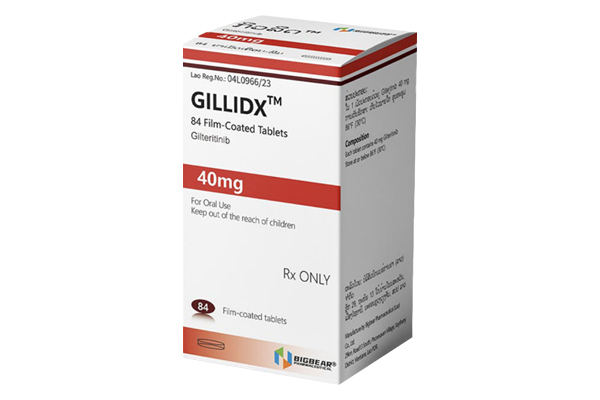
What medications are commonly used in conjunction with gefitinib fumarate tablets?
During treatment, doctors may combine gefitinib fumarate tablets with other leukemia treatment drugs (such as chemotherapy drugs or other targeted therapies) as needed, depending on the patient's condition. The purpose of combination therapy is to improve efficacy or reduce the risk of drug resistance, but the specific treatment plan must be determined by the doctor based on the patient's condition.
Therefore, if patients are using other medications (including health supplements or traditional Chinese medicine), they must proactively inform their doctor to avoid drug interactions that could affect treatment outcomes or increase the risk of side effects.
Instructions before use
Please use this medication under the full guidance of a physician experienced in anti-tumor treatment. Two important examinations are required before starting treatment: first, a peripheral blood or bone marrow sample must be tested to check for FLT3 gene mutations (this is a key indicator for determining eligibility for the medication); second, an electrocardiogram and blood biochemistry tests are needed to assess the patient's physical condition.
This medication is not recommended for use by pregnant or breastfeeding women. Male patients who require this medication must use effective contraception to prevent their partners from becoming pregnant.
Can gefitinib fumarate tablets be used in special populations?
Pregnancy: Use of this medication during pregnancy may have adverse effects on fetal development. Therefore, it is not recommended for pregnant women or women of childbearing potential who are not using contraception.
Breastfeeding: To avoid the effects of medication components on the infant's health through breast milk, breastfeeding should be suspended during treatment and for at least two months after the last dose of medication.
Children: There is currently no research data on the safety and efficacy in children under 18 years of age, therefore it is not recommended for use in underage patients.
Elderly patients: Patients aged 65 and above do not need to adjust their medication dosage.
Patients with liver damage: Patients with mild to moderate liver dysfunction can use the drug at the usual dose, but it is not recommended for patients with severe liver damage.
Patients with kidney damage: No dosage adjustment is required for patients with abnormal kidney function, regardless of the severity, but there is currently a lack of clinical experience in using this product for patients with severe kidney damage.
Other: Patients with heart disease or whose electrocardiogram shows QT interval prolongation (abnormal cardiac electrical activity) should use this product with caution.