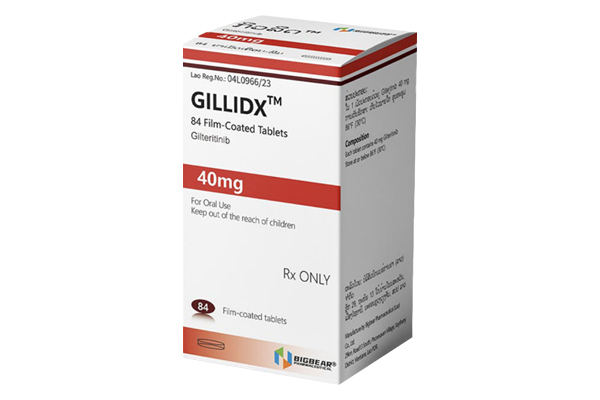
Function and efficacy
The main ingredient of Gilteritinib fumarate tablets is Gilteritinib fumarate, which is an anti-tumor drug.
Please take this medication under the guidance and supervision of a doctor with experience in anti-tumor treatment. FLT3 gene mutation testing in peripheral blood or bone marrow must be performed before taking the medication.
This product is not recommended for use by pregnant or breastfeeding women; male patients who require this medication should use effective contraception.
Gilteritinib fumarate tablets are an anti-tumor drug, with Gilteritinib fumarate as its main component. It is primarily used to treat patients with specific types of leukemia—these patients must meet two criteria: first, they must have relapsed or refractory acute myeloid leukemia (AML); and second, a reliable testing method must confirm the presence of an FLT3 gene mutation.
What diseases can Gilteritinib fumarate tablets be used to treat?
Gilteritinib fumarate tablets belong to the second-generation tyrosine kinase receptor inhibitors (tyrosine kinases are important substances that regulate cell growth; when they are abnormally active, they may promote cancer cell proliferation). It precisely inhibits FLT3 receptor signaling, including FLT3-ITD mutations and tyrosine kinase domain mutations (such as D835Y). Simply put, this drug inhibits the proliferation of leukemia cells by blocking abnormal signal transduction and promotes the gradual death of these abnormal cells, thereby controlling disease progression.
What symptoms can Gilteritinib fumarate tablets relieve?
This medication is suitable for the following two patient groups:
1. Adult patients with acute myeloid leukemia whose condition has relapsed after standard treatment.
2. Adult patients with acute myeloid leukemia who have not responded well to existing treatment regimens (i.e., refractory).
It is important to note that patients must undergo professional testing at a hospital to confirm the presence of an FLT3 gene mutation (FLT3 is a key gene affecting blood cell development, and mutations may lead to the worsening of leukemia) in order to be eligible for medication.