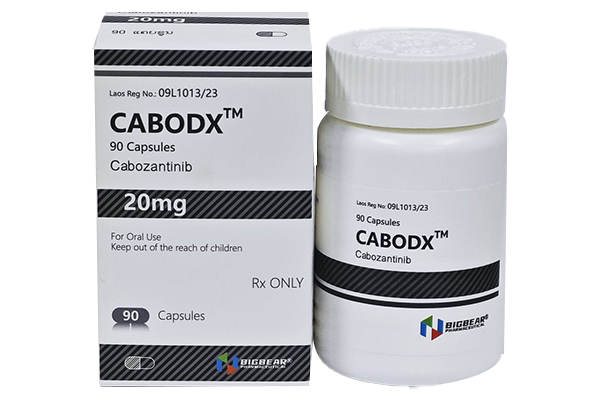
Cabozantinib is a broad-spectrum anticancer drug targeting multiple targets, inhibiting at least nine targets including MET, VEGFR1/2/3, ROS1, RET, AXL, NTRK, and KIT.
Cabozantinib Side Effects Requiring Immediate Medical Attention
If any of the following side effects occur while taking cabozantinib, please seek immediate medical attention:
1. Common Side Effects
(1) Blurred vision, burning, numbness, tingling or pain, confusion, constipation, dark urine, skin discoloration, decreased urine output, diarrhea, difficulty breathing or swallowing, headache, dry mouth, dry skin and hair, fainting, feeling cold;
(2) Hair loss, headache, hoarseness, rapid heart rate, dizziness, loss of appetite, depression, muscle cramps or convulsions. (2) Stiffness, nausea or vomiting, nervousness, pain in the chest, groin or legs (especially the calves), tinnitus, shortness of breath;
(3) Redness, swelling or pain of the skin, peeling of the skin on the palms and soles, severe, sudden headache, rash or ulcers, slow or fast heartbeat, slurred speech, stomach pain, sudden loss of coordination, sudden severe weakness or numbness in the arms or legs, sunken eyes;
(4) Thirst, unsteady gait or clumsiness, unusual fatigue or weakness, changes in vision, weakness in the arms, hands, legs or feet, weight gain, wrinkled skin, yellowing of the eyes or skin.
2. Less common side effects:
(1) Bleeding gums, bloody, black, or tarry stools, coughing up blood, heartburn, heaviness in the jaw, increased menstrual flow or vaginal bleeding, indigestion, loose teeth, mood or mental changes, muscle spasms in the hands, arms, feet, legs, or face;
(2) Nosebleeds, numbness and tingling around the mouth, fingertips, or feet, pain, swelling, or numbness in the mouth or jaw, paralysis, persistent bleeding from wounds, red or dark brown urine;
(3) Seizures, severe stomach pain, cramps, or burning sensation, tremors, difficulty breathing, vomiting that is coffee-ground-like and persistent.
3. Rare side effects: Abnormal color vision, diplopia, halos, night blindness, excessive light exposure, narrowed visual field. Mild Side Effects of Cabozantinib
If any of the following side effects persist or are bothersome while taking cabozantinib, or if you have any questions about these side effects, please consult a healthcare professional:
Common Side Effects
(1) Belching, bleeding after defecation, altered taste, hair color change, decreased appetite, weight loss, difficulty defecating, difficulty moving, fear, weakness or loss of strength;
(2) Loss of taste, muscle pain, joint pain, rash, sore throat, stomach upset, discomfort or pain, swelling or inflammation of the mouth, uncomfortable swelling around the anus, voice changes.
Side Effects of Cabozantinib for Healthcare Professionals' Reference
1. Liver-related
Very common: Elevated alanine aminotransferase (ALT), elevated aspartate aminotransferase (AST), elevated alkaline phosphatase, hyperbilirubinemia.
Common: Cholelithiasis.
Uncommon: Hepatic encephalopathy.
2. Gastrointestinal Aspects
Very Common: Diarrhea, stomatitis, nausea, oral pain, constipation, abdominal pain, vomiting, dysphagia, indigestion, glossodynia.
Common: Hemorrhoids, gastrointestinal perforation, gastrointestinal fistula, gastrointestinal bleeding, pancreatitis, anal fissure, anal inflammation, cheilitis.
Uncommon: Esophagitis.
3. Endocrine Aspects
Very Common: Elevated thyroid-stimulating hormone (TSH).
Common: Hypothyroidism, adrenal insufficiency.
Uncommon: Amenorrhea.
4. Hematological Aspects
Very Common: Lymphopenia, neutropenia, thrombocytopenia.
Uncommon: Elevated eosinophil count, elevated platelet count.
Post-marketing Reports: Aortic (including aortic) aneurysm, aortic dissection, and arterial rupture.
5. Skin Aspects
Very Common: Palmoplantar erythema hypoesthesia syndrome, hair color change/depigmentation/graying, dry skin, hair loss, erythema.
Common: Hyperkeratosis, folliculitis, acne, vesicles, abnormal hair growth, desquamation, hypopigmentation.
Uncommon: Skin ulcers, telangiectasia.
6. Metabolic Aspects
Very Common: Weight loss, decreased appetite, hypocalcemia, hypophosphatemia, hypomagnesemia, hypokalemia, hyponatremia, elevated serum lactate dehydrogenase, elevated serum creatine phosphokinase.
Common: Dehydration, hypoalbuminemia.
7. Nervous System Aspects
Very Common: Taste disturbances, headache, dizziness.
Common: Sensory abnormalities, peripheral sensory neuropathy, peripheral neuropathy, anosmia, tremor.
Uncommon: Reversible posterior encephalopathy syndrome, ataxia, attention deficit, loss of consciousness, speech disorders, transient ischemic attack (TIA)
8. Musculoskeletal Ailments
Very Common: Joint pain, muscle spasms.
Common: Musculoskeletal chest pain, osteonecrosis of the mandible (ONJ).
Uncommon: Rhabdomyolysis.
9. Cardiovascular Ailments
Very Common: Elevated blood pressure, hypertension.
Common: Hypotension, venous thromboembolism, arterial thromboembolism, atrial fibrillation.
Uncommon: Angina pectoris, supraventricular tachycardia, shortened activated partial thromboplastin time (APPT).
Unknown incidence: QT interval prolongation.
10. Genitourinary Ailments
Common: Proteinuria, dysuria, hematuria.
Uncommon: Vaginal bleeding.
11. Ocular Ailments
Common: Blurred vision.
Uncommon: Cataracts, conjunctivitis.
12. Mental Health Issues
Common: Anxiety, depression, confusion.
Uncommon: Abnormal dreams, delirium.
13. Respiratory Issues
Very Common: Difficulty speaking (up to 20%), sore throat.
Common: Non-gastrointestinal fistulas (including tracheobronchial fistula, mediastinal emphysema, tracheoesophageal fistula), pulmonary embolism, respiratory bleeding (including lung, bronchus, and trachea), pneumonia, aspiration pneumonia.
Uncommon: Atelectasis, pharyngeal edema, pneumonia.
14. Other Issues
Very Common: Fatigue, weakness, mucosal inflammation.
Common: Abscesses (including visceral, intra-abdominal, skin, and dental sites), fungal infections (including skin, oral cavity, and genital sites), ear pain, tinnitus, pallor, cold extremities, poor wound healing/wound complications, chills, facial edema.
Uncommon: Aspergillus, hearing loss, cysts, facial pain, localized edema.
Incidence unknown: Bleeding.
Note: Very common adverse reactions occur in 10% or more of the population; common adverse reactions occur in 1%-10% of the population; uncommon adverse reactions occur in 0.1%-1% of the population.