
BIGBEAR
PHARMACEUTICALS
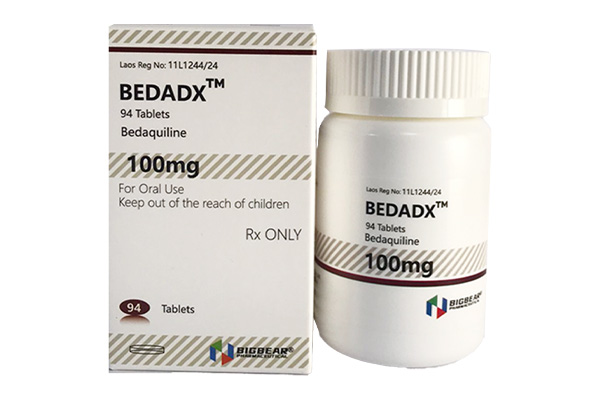
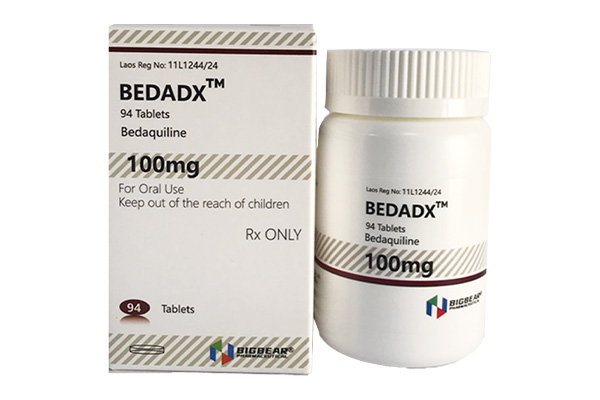
Bedaquiline is a diarylquinoline anti-tuberculosis drug specifically targeted at drug-resistant tuberculosis, with bedaquiline as its main component.

 AuthenticGuaranteeFast DeliveryPrivacy
 Its mechanism of action is to kill pathogens by inhibiting the ATP synthase that generates energy in Mycobacterium tuberculosis. This drug must be used in combination with other anti-tuberculosis medications and is dedicated to the treatment of multidrug-resistant pulmonary tuberculosis in adults and adolescents (aged 12 to less than 18 years and weighing no less than 30 kg).
Bedaquiline is primarily used for patients with multidrug-resistant pulmonary tuberculosis, specifically:
Eligible patients: Adults and adolescents aged 12 years and older who weigh ≥30 kg.
Treatment indication: It should only be used when other treatment regimens fail to control the disease.
Administration requirement: Must be used in combination with other anti-tuberculosis drugs; it cannot be used as monotherapy.
It is important to note that multidrug-resistant pulmonary tuberculosis refers to a special type of tuberculosis where the pathogen is resistant to at least two major anti-tuberculosis drugs (isoniazid and rifampicin), requiring more complex treatment regimens.
Before using this medication, the following precautions must be noted:
Patients who are hypersensitive to this drug or any of its components are prohibited from using it.
Patients taking other medications or with underlying diseases must inform their doctor in advance.
Pregnant women, lactating women, and special populations must have the risks of medication carefully evaluated.
To ensure medication safety, strictly follow your doctor's instructions and carefully read the contraindications and precautions in the package insert.
This medication must be taken with food and used under the guidance of a doctor. Your doctor will inform you of the correct administration method, specific dosage, and treatment schedule. Do not self-administer based solely on the package insert, to ensure medication safety and therapeutic efficacy.
1.Adults and adolescents aged 12 to <18 years (weighing ≥30 kg): Treatment is divided into two phases:
2.Phase 1 (First 2 weeks): 400 mg once daily, taken at the same time each day, for 2 consecutive weeks.
3.Phase 2 (Subsequent 22 weeks): 200 mg three times per week (with at least 48 hours between doses), for 22 weeks.
4.Total treatment duration: 24 weeks.
Important Note: Product information may vary between manufacturers. If discrepancies exist between this information and the package insert, contact your doctor or pharmacist immediately to confirm the correct administration method.
1.During the first 2 weeks of treatment: Do not take an extra dose to make up for the missed dose. Continue with your regular dosing schedule.
2.From Week 3 onward: If a 200 mg dose is missed, take the missed dose as soon as possible, then resume the 3-times-per-week dosing frequency.
Important Note: The total weekly dose must not exceed the recommended maximum weekly dose, and each dose should be separated by at least 24 hours.
Whether accidental or intentional, immediate basic life support measures must be initiated. Continuously monitor vital signs such as heart rate and blood pressure, and perform an electrocardiogram (ECG) with a focus on the QT interval.
Important Note: The drug is highly protein-bound in the blood, so dialysis is unlikely to effectively remove it from the body.
Potentially life-threatening conditions (e.g., risk of death)
Cardiac arrhythmias (e.g., tachycardia or bradycardia)
Hepatic inflammation (hepatitis)
Nausea, vomiting, joint pain, persistent headache, hemoptysis, chest discomfort, decreased appetite, skin rash, and elevated amylase levels on blood tests.
Action Plan: Seek emergency medical care immediately if severe reactions occur. For common adverse reactions, monitor your condition closely; if symptoms worsen or persist, contact your treating physician for a professional evaluation.
If the medication shows changes in color, shape, or taste, discontinue use immediately.
Keep this medication out of the reach of children.
Use only after strict evaluation by a doctor.Use only when the potential benefit to the mother outweighs the potential risk to the fetus, as assessed by a doctor.
A balance must be struck between the therapeutic effect on the mother and the potential impact on the infant.Temporary discontinuation of breastfeeding or medication may be required.
No safety data are available for children under 12 years old or weighing less than 30 kg.
Individuals aged 65 years and older may experience unique medication reactions.
Severe liver dysfunction impairs drug metabolism.
Including those on hemodialysis or peritoneal dialysis.
Must completely avoid alcoholic beverages during treatment.
Important Note: Patients who are pregnant, planning to become pregnant, or breastfeeding must inform their doctor promptly to allow for a professional assessment and the development of an appropriate treatment plan.
Individuals with a known hypersensitivity to this drug or its components are prohibited from use.
Hypersensitivity reactions may present as rash, dyspnea, and other symptoms, which can be life-threatening in severe cases.
Discontinue this medication and any other drugs that may affect cardiac activity immediately if either of the following occurs:
1.Ventricular arrhythmias with significant impact on health (abnormal beating of the lower heart chambers).
2.QTc interval prolongation >500 ms on ECG (a key indicator of cardiac electrical activity).
After discontinuation, seek immediate medical attention if you experience any discomfort. Your doctor will determine whether permanent discontinuation or other treatment measures are needed based on your specific condition.
If any issues arise, please contact us immediately.
Email:haiousales@gmail.com

If a dose is missed during the first 2 weeks of treatment, there is no need to make up for the missed dose; simply continue with the original dosing schedule. Starting from week 3, if a 200 mg dose is missed, the missed dose should be taken as soon as possible, followed by resuming the 3-times-weekly dosing regimen.
Important Note: The total weekly dose must not exceed the recommended maximum weekly dose, and there must be an interval of at least 24 hours between consecutive doses.
Whether the overdose is accidental or intentional, immediate basic life support measures must be initiated. Continuous monitoring of vital signs (e.g., heart rate, blood pressure) and electrocardiography (ECG), with particular attention to the QT interval, is required.
Important Note: Due to the extensive protein binding of bedaquiline, dialysis is unlikely to effectively remove the drug from the body.
Sometimes it is not safe to use certain medications at the same time. Some drugs can affect your blood levels of other drugs you take, which may increase side effects or make the medications less effective.
Bedaquiline can cause a serious heart problem. Your risk may be higher if you also use certain other medicines for infections, asthma, heart problems, high blood pressure, depression, mental illness, cancer, malaria, or HIV.
Many drugs can affect bedaquiline. This includes prescription and over-the-counter medicines, vitamins, and herbal products. Not all possible interactions are listed here. Tell your doctor about all other medicines you use.
This medication is primarily used to alleviate various discomforts caused by multidrug-resistant tuberculosis (MDR-TB):
Persistent cough: May be accompanied by mucus or blood streaks.
Recurrent fever: Low-grade fever typically occurs in the afternoon.
Decreased physical strength: Easy fatigue during daily activities.
Night sweats: Abnormal sweating during sleep, which ceases upon waking.
Weight loss: Unexplained weight reduction.
Important Note: These symptoms must be comprehensively evaluated by a physician in conjunction with sputum tests, imaging examinations, and other results. Patients should not make a diagnosis based solely on symptoms.
Copyright2024@ BIGBEAR All right reserved BIGBEAR


