THURSDAY, Nov. 20, 2025 — New guidelines recommend doctors tackle Crohn’s disease head-on, calling for the use of cutting-edge drugs as early as possible to quell the autoimmune GI disorder as quickly as possible.
Core Change of the New Guidelines
The updated American Gastroenterological Association guidelines reject a “step-up” approach in which people get more advanced drugs only after they’ve tried cheaper, less effective medications like steroids or immunomodulating drugs like thiopurines.Instead, doctors should go straight to monoclonal antibody drugs that target different factors that promote Crohn’s disease, according to 2025 guidelines published in the journal Gastroenterology.
Expert Commentary on the Guidelines
“The science in Crohn’s disease is moving quickly, and our goal was to translate that evidence into clear, meaningful recommendations for front-line clinicians,” guideline author Dr. Siddharth Singh, a gastroenterologist with the Mayo Clinic in Phoenix, Arizona, said in a news release.
Conflict Between Clinical Guidelines and Insurance Practice
Insurance companies encourage the step-up approach as a means of limiting costs, the AGA says. Patients are required to try less effective but cheaper drugs before insurers will agree to cover more advanced medications.“We didn’t write this guideline to follow insurance rules,” Singh said. “Insurance coverage should follow the evidence.”
Overview of Crohn's Disease
Crohn’s disease occurs when the immune system causes damaging inflammation in a person’s digestive tract, according to the National Institute of Diabetes and Digestive and Kidney Diseases (NIDDK).The most common symptoms are diarrhea, abdominal pain and weight loss, but if left untreated Crohn’s disease can lead to anemia, bone loss, malnutrition and colon cancer, the NIDDK says.
Recommended First-Line Treatments for Moderate-to-Severe Crohn's Disease
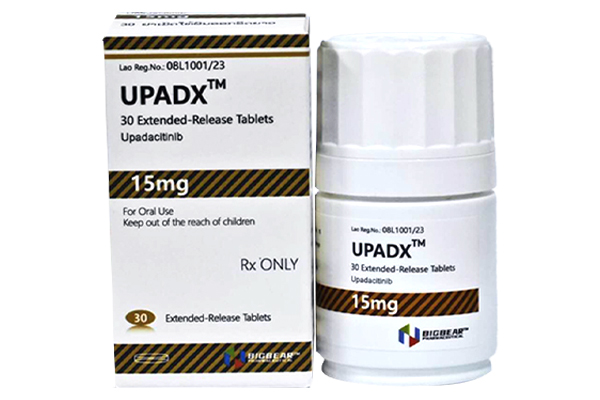
In its new guideline, the AGA recommends infliximab, adalimumab, ustekinumab, risankizumab, mirikizumab, guselkumab or upadacitinib as first-line treatments for moderate-to-severe Crohn’s disease.Most of these drugs are monoclonal antibody therapies that target different biological factors that drive the inflammation associated with Crohn’s, experts said.The guidelines also recommend a small-molecule drug called upadacitinib, which helps by inhibiting an enzyme that promotes inflammation. Other suggested drugs include certolizumab pegol and vedolizumab.
Drugs Not Recommended
The guideline specifically suggests against using the class of immune-modulating drugs known as thiopurines to make Crohn’s symptoms go away.