Approval Overview
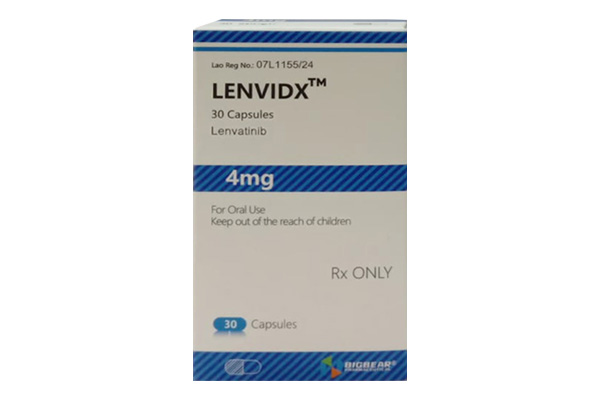
August 11, 2021 — Merck (NYSE: MRK, known as MSD outside the U.S. and Canada) and Eisai announced the U.S. Food and Drug Administration (FDA) has approved the combination of Keytruda (pembrolizumab) (Merck’s anti-PD-1 therapy) plus Lenvima (lenvatinib) (Eisai’s oral multiple receptor tyrosine kinase inhibitor) for the first-line treatment of adult patients with advanced renal cell carcinoma (RCC).
Key Approval Note
Keytruda plus Lenvima is now approved for the treatment of two types of cancer, including advanced RCC.
Basis for Approval: Phase 3 CLEAR/KEYNOTE-581 Trial
The approval is based on data from the pivotal Phase 3 CLEAR (Study 307)/KEYNOTE-581 trial, which compared the efficacy of Keytruda plus Lenvima versus sunitinib (a standard therapy) in adult patients with advanced RCC. The combination demonstrated statistically significant improvements in three key efficacy outcome measures: progression-free survival (PFS), overall survival (OS), and confirmed objective response rate (ORR).
Key Efficacy Results
Progression-Free Survival (PFS): Keytruda plus Lenvima reduced the risk of disease progression or death by 61% (HR=0.39 [95% CI: 0.32-0.49]; p<0.0001). The median PFS was 23.9 months in the combination group, compared to 9.2 months in the sunitinib group.
Overall Survival (OS): The combination reduced the risk of death by 34% (HR=0.66 [95% CI: 0.49-0.88]; p=0.0049) versus sunitinib.
Confirmed Objective Response Rate (ORR): The ORR was 71% (95% CI: 66-76) (n=252) for patients receiving Keytruda plus Lenvima, compared to 36% (95% CI: 31-41) (n=129) for those receiving sunitinib.
Complete Response (CR) and Partial Response (PR) Rates: The combination achieved a CR rate of 16% and a PR rate of 55%, versus a CR rate of 4% and a PR rate of 32% in the sunitinib group.
Safety Profile
The Keytruda plus Lenvima combination carries safety risks associated with each individual agent, requiring careful monitoring and appropriate management.
Keytruda (pembrolizumab)-Associated Safety Risks
Immune-Mediated Adverse Reactions: These reactions may be severe or fatal, can occur in any organ system or tissue, and may affect multiple body systems at the same time. Examples include pneumonitis, colitis, hepatitis, endocrinopathies, nephritis, dermatologic reactions, solid organ transplant rejection, and complications of allogeneic hematopoietic stem cell transplantation.
Management of Immune-Mediated Reactions: Early identification and management are critical to ensure safe use of Keytruda. Based on the severity of the adverse reaction, Keytruda should be withheld or permanently discontinued, and corticosteroids administered if appropriate.
Infusion-Related Reactions: Keytruda can cause severe or life-threatening infusion-related reactions.
Fetal Harm: Based on its mechanism of action, Keytruda can cause fetal harm when administered to pregnant women.
Lenvima (lenvatinib)-Associated Safety Risks
Adverse reactions associated with Lenvima (some of which may be severe or fatal) include:
Hypertension, cardiac dysfunction, arterial thromboembolic events
Hepatotoxicity, renal failure or impairment, proteinuria
Diarrhea, fistula formation and gastrointestinal perforation
QT interval prolongation, hypocalcemia
Reversible posterior leukoencephalopathy syndrome, hemorrhagic events
Impairment of thyroid stimulating hormone suppression/thyroid dysfunction
Impaired wound healing, osteonecrosis of the jaw, and embryo-fetal toxicity
Management: Based on the severity of the adverse reaction, Lenvima should be interrupted, reduced, and/or discontinued.
Fetal Harm: Based on its mechanism of action and animal reproduction studies, Lenvima can cause fetal harm. Females of reproductive potential should be advised to use effective contraception.