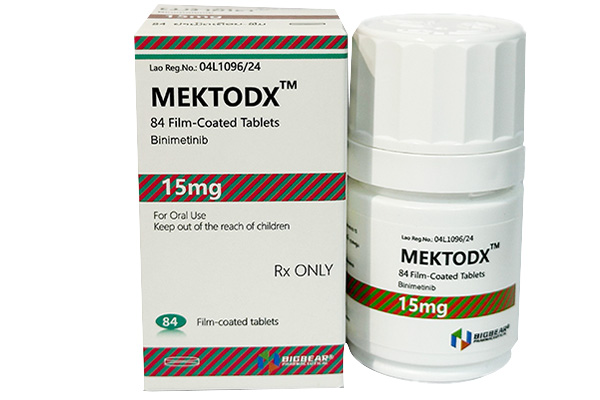
Binimetinib, as an ATP-noncompetitive reversible MEK1/2 inhibitor, plays an important role in the treatment of unresectable or metastatic melanoma with BRAF V600E or V600K mutations when used in combination with encorafenib. However, the high cost of the original branded drug has long constrained patient access—the generic version launched by Laos Big Bear Pharmaceutical opens a door to therapy for patients worldwide.
How much does the Laos Big Bear version of Binimetinib cost?
The Laos Big Bear version of Binimetinib is available in a strength of 15mg*84 tablets per box, at a price of approximately $414. Actual prices may be affected by various factors, so please refer to the current selling price.
Serious side effects of Binimetinib
Binimetinib may cause several life-threatening serious adverse reactions that require high vigilance. Cardiac problems include heart failure; your doctor will monitor cardiac function (e.g., ejection fraction) before and during treatment. Seek immediate medical attention if you experience rapid heartbeat, shortness of breath, swelling of ankles or feet, or dizziness. Blood clots may form in the limbs and migrate to the lungs, leading to fatal pulmonary embolism; warning signs include chest pain, sudden difficulty breathing, leg pain (with or without swelling), or pale/cold extremities. Eye problems may lead to blindness; symptoms include blurred vision, visual field defects, colored spots, halos, eye pain or redness—urgent ophthalmic evaluation is required. Lung or respiratory problems may present as new or worsening shortness of breath and cough, suggesting interstitial pneumonitis. Liver injury requires regular blood tests to monitor transaminases and bilirubin; inform your doctor immediately if you notice yellowing of skin or eyes, dark urine, nausea, vomiting, or loss of appetite. Muscle problems (rhabdomyolysis) can cause significant elevation of creatine phosphokinase (CPK), leading to muscle weakness, myalgia, or dark reddish urine. Bleeding issues (when used with encorafenib) may present as gastrointestinal or intracranial hemorrhage; symptoms include headache, dizziness, hemoptysis, hematemesis (coffee-ground appearance), or tarry black stools—if any occur, seek emergency care immediately.
Common side effects of Binimetinib and drug storage requirements
In addition to the serious reactions above, when Binimetinib is used in combination with encorafenib, the more common adverse effects are usually mild to moderate, but still warrant attention. The most frequent side effects include: fatigue (may affect daily activities), nausea (consider small frequent meals or antiemetics), diarrhea (ensure adequate fluid intake to prevent dehydration), vomiting, and abdominal pain. These symptoms may be more pronounced at the beginning of treatment, but most patients gradually become tolerant over time. Please note that the above list does not cover all possible adverse reactions—if you experience any unusual discomfort, even if not mentioned here, report it to your doctor promptly. Regarding drug storage, keep Binimetinib in a safe place out of the sight and reach of children to avoid accidental ingestion. Do not use after the expiry date stated on the carton or blister (expiry refers to the last day of that month). This product does not require special temperature or humidity conditions, but avoid extreme heat or moisture. Finally, do not dispose of unused medicines via wastewater or household waste—the correct approach is to consult your pharmacist about drug take‑back programs or safe disposal procedures to protect the environment and public health.