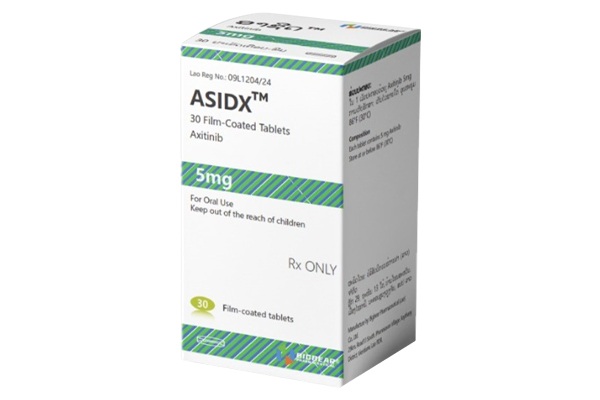
Axitinib is an oral small-molecule tyrosine kinase inhibitor. Its dosage form is a film-coated tablet, which appears white or off-white after removing the coating. This drug exerts its anti-tumor effect primarily by inhibiting the activity of vascular endothelial growth factor receptors, thereby blocking tumor angiogenesis. Clinically, it is commonly used for the first-line or second-line treatment of advanced renal cell carcinoma.
Price of Axitinib
The price of a box of Axitinib ranges from 68 to 135 US dollars. The price difference mainly stems from factors such as the drug's specification, manufacturer, sales region, and whether it is a generic version. Medical insurance policies in different countries and regions will also affect the actual cost for patients. Therefore, this price is for reference only.
Daily Care for Patients with Renal Cell Carcinoma
Condition Monitoring Care During Medication
Patients on long-term Axitinib therapy must strictly adhere to the doctor's advice and return to the hospital regularly for check-ups. Doctors will evaluate the drug's efficacy through imaging examinations, blood and urine tests, while also checking for adverse reactions. During their time at home, patients should also maintain self-health records, including changes in body weight, appetite, and any abnormal symptoms that appear. This provides accurate information for the doctor during follow-up visits.
Blood Pressure Monitoring and Management Care
Axitinib may cause an increase in blood pressure. Patients need to cooperate with their doctor for regular blood pressure monitoring during treatment. Some patients may also need to have a blood pressure monitor at home, measuring and recording values daily at fixed times. If symptoms such as severe headache, dizziness, blurred vision, or changes in visual fields occur, it may indicate an abnormally high blood pressure spike, and the doctor should be contacted immediately. Patients should never adjust their medication or take antihypertensive drugs on their own.
Prevention and Observation Care for Thrombosis Risk
Patients should pay daily attention to whether they have symptoms related to thrombosis, including unexplained anxiety, chest pain, cough, difficulty breathing, dizziness or fainting, rapid heartbeat, as well as pain, redness, or swelling in the arms or legs, especially any unusual discomfort in the calf area. If any of the above symptoms appear, seek medical attention immediately to avoid delaying treatment for thrombosis. At the same time, patients can engage in moderate activities, such as walking, under the guidance of a doctor to promote blood circulation and reduce the risk of thrombosis.
Nursing Considerations for Wound Healing
Since Axitinib may delay wound healing, if a patient requires surgery while on this medication, they must inform their primary doctor that they are taking this drug. The doctor will assess the timing for stopping the medication based on the type of surgery, and it is generally recommended to stop the drug at least 2 days before surgery.
After major surgery, it is necessary to wait for the wound to heal completely, or at least for an interval of 2 weeks, and resume medication only after evaluation by the doctor. If skin damage occurs in daily life, it should be cleaned and disinfected promptly, and the wound healing process should be closely observed. If issues like delayed healing, redness, swelling, or infection arise, seek medical attention promptly.
Observation and Care for Special Complications
Posterior reversible encephalopathy syndrome is a serious complication that Axitinib may cause. Patients should be alert to symptoms such as headache, seizures, extreme lethargy, confusion, decreased vision, or visual field abnormalities. If these occur, the drug should be stopped immediately and medical attention sought.
Also, pay attention to signals related to liver function, such as pain or tenderness in the upper right abdomen, clay-colored stools, dark yellow urine, loss of appetite, or yellowing of the skin or whites of the eyes. These manifestations may indicate liver damage and require prompt checking of liver function.