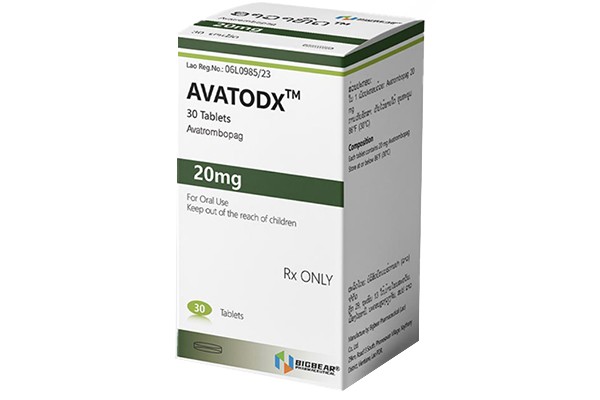
When taking avatrombopag (Doptelet), serious side effects such as bleeding gums and nosebleeds, and abnormal weight gain or loss may occur; milder side effects such as coughing, sneezing, and sore throat may also occur. Pay close attention to changes in your body during medication, and consult a doctor or seek medical attention promptly if you experience any discomfort.
Serious side effects of avatrombopag (Doptelet)
If any of the following side effects occur while taking avatrombopag (Doptelet), seek immediate medical attention:
1. Less common side effects
Bleeding gums; nosebleeds; swelling of the face, arms, hands, lower legs, or feet; rapid weight gain; tingling in the hands and feet; abnormal weight gain or loss.
2. Rare Side Effects
Confusion; decreased urine output; dizziness; rapid or irregular heartbeat; headache; increased thirst; loss of consciousness; muscle pain or cramps; nausea; pale skin; seizures; swelling of the face, ankles, or hands; difficulty breathing during activity; unusual bleeding or bruising; unusual fatigue or weakness; vomiting.
3. Side Effects with Unknown Incidence
Difficulty breathing; pain in the chest, groin, or legs (especially the calves); severe, sudden headache; slurred speech; sudden loss of coordination; sudden severe weakness or numbness in the arms or legs; changes in vision.
Common Side Effects of Avatrombopag (Doptelet)
If you experience any of the following side effects while taking avatrombopag (Doptelet) and they persist, are uncomfortable, or you have any questions about them, please consult a healthcare professional:
Common Side Effects
Body aches; bruising; chills; cough; difficulty moving; ear fullness; fever; joint pain; loss of voice; muscle stiffness; sneezing; sore throat; stomach pain; nasal congestion or runny nose.
Avatrombopag Side Effects for Healthcare Professionals
1. General Adverse Reactions
In patients with chronic liver disease:
(1) Major Adverse Reactions (incidence at least 3%)
Includes fever, abdominal pain, nausea, headache, fatigue, and peripheral edema. For patients with chronic immune thrombocytopenic purpura.
(2) Most Common Adverse Reactions (incidence 10% or more)
Includes headache, fatigue, bruising, nosebleeds, upper respiratory tract infection, joint pain, gingival bleeding, petechiae, and nasopharyngitis.
2. Cardiovascular System
Very common (10% and above): Contusion (26%).
Common (1% to 10%): Thromboembolic events, hypertension.
Uncommon (0.1% to 1%): Myocardial infarction, deep vein thrombosis, jugular vein thrombosis, vasoconstriction.
3. Skin
Very common (10% and above): Petechiae (11%).
Common (1% to 10%): Acne.
Uncommon (0.1% to 1%): Alopecia, dry skin, ecchymosis, hyperhidrosis, abnormal pigmentation, skin bleeding, skin irritation.
Post-marketing reports: Pruritus, rash, erythema, generalized pruritus, maculopapular rash.
4. Gastrointestinal Tract
Very common (10% and above): Gingival bleeding (13%).
Common (1% to 10%): Nausea, diarrhea, vomiting, upper abdominal pain, abdominal distension.
Uncommon (0.1% to 1%): Abdominal discomfort, bloating, lower abdominal pain, anorectal varicose veins, constipation, belching, gastroesophageal reflux disease, glossodynia, hemorrhoids, oral paresthesia, tongue swelling.
5. Hematologic System
Common (1% to 10%): Splenomegaly.
Uncommon (0.1% to 1%): Anemia, leukocytosis, portal vein thrombosis.
6. Liver
Uncommon (0.1% to 1%): Portal vein thrombosis, elevated aspartate aminotransferase, elevated liver enzymes.
7. Immune System
Post-marketing reports: Allergic reactions, facial swelling, tongue swelling.
8. Metabolism and Nutrition
Common (1% to 10%): Hyperlipidemia, decreased appetite, elevated blood glucose, hypoglycemia, elevated triglycerides, elevated lactate dehydrogenase, elevated alanine aminotransferase, elevated gastrin.
Uncommon (0.1% to 1%): Hyponatremia, dehydration, hypertriglyceridemia, increased appetite, iron deficiency.
9. Musculoskeletal System
Very Common (10% and above): Arthralgia (13%).
Common (1% to 10%): Back pain, limb pain, musculoskeletal pain.
Uncommon (0.1% to 1%): Arthropathy, limb discomfort, muscle spasms, muscle weakness, musculoskeletal chest pain.
10. Nervous System
Very Common (10% and above): Headache (up to 31%).
Common (1% to 10%): Dizziness, headache, migraine, paresthesia.
Uncommon (0.1% to 1%): Cerebrovascular accident, cognitive impairment, taste disturbance, sensory loss, sensory disturbance, transient ischemic attack.
11. Eye
Uncommon (0.1% to 1%): Abnormal eye sensations, eye irritation, eye itching, eye swelling, increased tearing, eye discomfort, photophobia, retinal artery occlusion, blurred vision, visual impairment.
12. Tumors
Uncommon (0.1% to 1%): Myelofibrosis.
13. Mental Health
Uncommon (0.1% to 1%): Mood swings.
14. Urinary System
Uncommon (0.1% to 1%): Hematuria.
15. Respiratory System
Very common (10% and above): Epistaxis (19%), upper respiratory tract infection (15%), nasopharyngitis (10%).
Common (1% to 10%): Dyspnea.
Uncommon (0.1% to 1%): Hemoptysis, nasal congestion, pulmonary embolism.
Post-marketing reports: Suffocation, pharyngeal edema.
16. Other
Very common (10% and above): Fatigue (up to 28%), fever (up to 11%).
Common (1% to 10%): Asthenia, peripheral edema.
Uncommon (0.1% to 1%): Boils, purulent thrombophlebitis, earache, hyperacusis, menorrhagia, nipple pain, chest discomfort, hunger, pain, peripheral swelling.