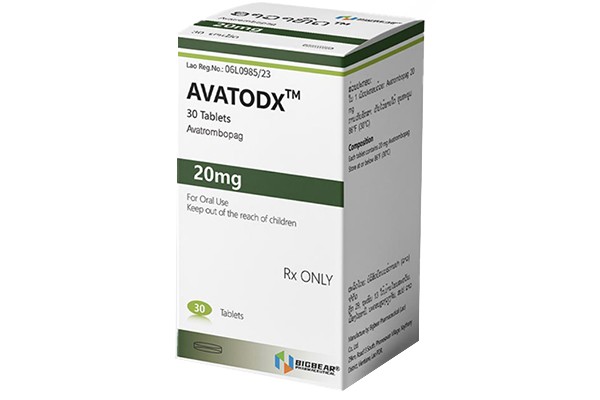
Avatrombopag is an oral medication used to treat chronic liver disease or chemotherapy-related thrombocytopenia. Common side effects include headache, fatigue, fever, nasopharyngitis, and joint pain. Serious but rare side effects may involve the risk of blood clots or abnormal liver function. Strict adherence to doctor's instructions is necessary, and regular monitoring of blood counts and liver function is required.
Common Side Effects of Avatrombopag:
Systemic Reactions: Fatigue, fever, edema of the extremities.
Gastrointestinal System: Diarrhea, nausea, abdominal pain.
Nervous System: Headache, dizziness.
Infection Risk: Nasopharyngitis, upper respiratory tract infection.
Musculoskeletal: Joint pain, muscle pain.
Serious Side Effects (Rare but Requires Attention):
Risk of Blood Clots: May increase the risk of arterial or venous blood clots, especially in patients with a history of thrombosis, those who are bedridden for extended periods, or those with cancer. Seek immediate medical attention if chest tightness, limb swelling, or difficulty breathing occurs.
Abnormal Liver Function: Elevated transaminase levels may occur in a very small number of patients; regular monitoring of liver function is necessary for long-term use.
Myelofibrosis: Long-term use may increase the risk of myelofibrosis, manifested as abnormal blood cells or splenomegaly.
Precautions
Contraindications: Contraindicated in patients with hypersensitivity to any component of the drug or active thrombosis.
Special Populations: Pregnant women, breastfeeding women, children, and patients with hepatic or renal insufficiency require careful risk assessment.
Drug Interactions: Concomitant use with anticoagulants or nonsteroidal anti-inflammatory drugs (NSAIDs) may increase bleeding or gastrointestinal reactions.
Monitoring Requirements: Platelet count, liver function, and coagulation parameters should be checked regularly during treatment.
Medical Guidance:
Avatrombopag is a prescription drug; the dosage must be adjusted according to the patient's specific condition. Do not increase, decrease, or discontinue use without consulting a doctor. Seek immediate medical attention if the following occur:
Persistent headache, rash, or allergic reaction (such as itching or swelling).
Abnormal bleeding (such as gingival bleeding or melena).
Jaundice, dark urine, or other abnormal liver function.
Avoid strenuous exercise or injury during medication to reduce the risk of bleeding and maintain communication with your doctor.