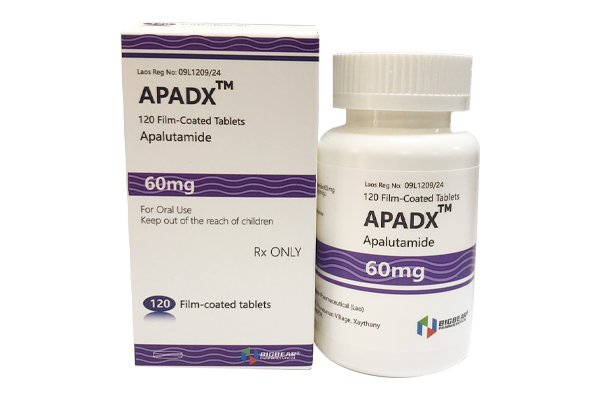
Apalutamide is an oral anti-androgen medication, mainly used to treat non-metastatic or metastatic castration-resistant prostate cancer. It delays tumor progression by inhibiting the androgen receptor signaling pathway and must be used under medical supervision.
Mechanism of Action
Targeting the androgen receptor: Blocks androgen binding to the receptor and inhibits tumor cell growth.
Delaying disease progression: Suitable for prostate cancer patients unresponsive to conventional hormone therapy.
Indications
Non-metastatic castration-resistant prostate cancer (nmCRPC): Used to delay cancer spread to other body sites.
Metastatic castration-sensitive prostate cancer (mCSPC): Used in combination with androgen deprivation therapy (ADT) to prolong survival.
Medical and Administration Guidance
Initiation of treatment: Must be started after evaluation by an oncologist or urologist.
Missed dose management: If a dose is missed, do not make it up; take the next dose at the scheduled time.
Common Adverse Reactions
Mild reactions: Fatigue, rash, weight loss, hypertension, etc.
Severe reactions (seek immediate medical attention): Seizures, allergic reactions, increased risk of falls or fractures.
Precautions for Use
Medical supervision: Strictly follow the prescribed dose; do not adjust or discontinue treatment without medical advice.
Drug interactions: Avoid concomitant use with strong CYP3A4 inhibitors or inducers (e.g., rifampicin, ketoconazole), which may affect efficacy or increase toxicity.
Regular monitoring: Periodic checks of blood pressure, liver function, and complete blood count are required during treatment.
Use in Special Populations
Patients with a history of seizures: Use with caution, as apalutamide may induce seizures.
Patients at high fracture risk: Calcium and vitamin D supplementation and bone mineral density monitoring are recommended.
Apalutamide is a prescription drug. The specific regimen should be based on the patient’s condition, tolerability, and physician guidance. Patients should contact their attending physician promptly if severe discomfort or side effects occur during treatment.