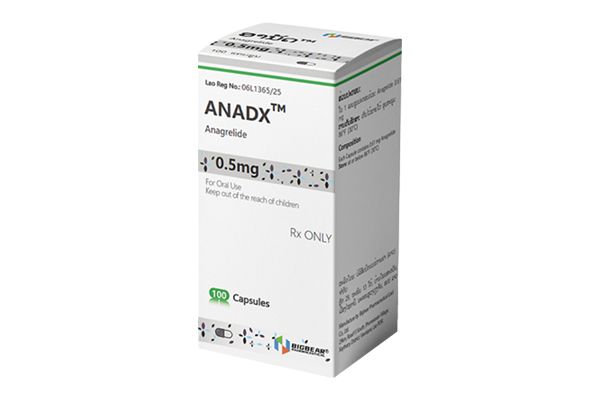
Anagrelide, a thrombocytopenic drug, plays an important role in the treatment of certain hematological diseases. Its clinical application requires strict adherence to indications, contraindications, and key points regarding its use in special populations.
Detailed Explanation of Anagrelide Indications
1. Main Therapeutic Areas
(1) Anagrelide is a thrombocytopenic drug indicated for the treatment of thrombocytosis secondary to myeloproliferative neoplasms, aiming to reduce elevated platelet counts and the risk of thrombosis, and improve related symptoms, including thrombotic bleeding events.
(2) This drug is specifically used for thrombocytosis caused by myeloproliferative neoplasms. The primary goal is to control platelet levels within a safe range, thereby reducing the probability of thrombosis-related complications.
Anagrelide Contraindications and Foods to Avoid
1. Drug Contraindications
Anagrelide should be avoided in patients with known risk factors for QT interval prolongation, including congenital long QT syndrome, a known history of acquired QTc prolongation, medications that prolong the QTc interval, and patients with hypokalemia.
2. Drug Interaction Contraindications
(1) Concomitant use with medications that may prolong the QT interval, including but not limited to chloroquine, clarithromycin, haloperidol, methadone, moxifloxacin, amiodarone, disopyramide, procainamide, and pimozide.
(2) Because anagrelide is a phosphodiesterase 3 (PDE3) inhibitor, medications with similar properties should be avoided, such as positive inotropic agents and other PDE3 inhibitors (e.g., cilostazol, milrinone).
(3) Aspirin and medications that increase the risk of bleeding should also be used with caution. Concomitant use of AGRYLIN and aspirin increases the risk of major bleeding events, especially in patients receiving other medications known to cause bleeding.
3. Dietary and Metabolic Contraindications
(1) Anagrelide and its active metabolites are primarily metabolized by CYP1A2.
(2) CYP1A2 inhibitors (such as fluvoxamine and ciprofloxacin) may increase anagrelide exposure.
(3) Patients taking CYP1A2 inducers may require dose adjustments to compensate for reduced anagrelide exposure.
Anagrelide Use Guidelines for Special Populations
1. Patients with Hepatic Impairment
(1) Patients with moderate hepatic impairment should start with 0.5 mg daily and be frequently monitored for cardiovascular events.
(2) Hepatic impairment increases anagrelide exposure and may increase the risk of QTc prolongation.
(3) Anagrelide should be avoided in patients with severe hepatic impairment.
2. Pediatric Patients
The safety and efficacy of AGRYLIN in pediatric patients aged 7 years and older have been established. Data are unavailable for pediatric patients under 7 years of age.
3. Elderly Patients
No overall difference in safety and efficacy was observed between these subjects and younger subjects, but the possibility of increased sensitivity in some older individuals cannot be ruled out.
4. Pregnancy and Lactation
(1) Existing case report data on anagrelide use in pregnant women have not identified any drug-related risks of major birth defects, miscarriage, or adverse maternal and infant outcomes.
(2) Lactation: There is no information regarding the presence of anagrelide in human milk or its effects on breastfed infants or milk production.
(3) Due to the potential risk of serious adverse reactions, breastfeeding is advised against during AGRYLIN treatment and for one week after the last dose.