
BIGBEAR
PHARMACEUTICALS
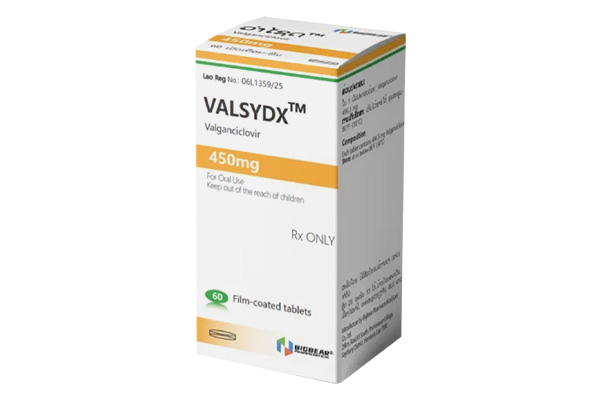
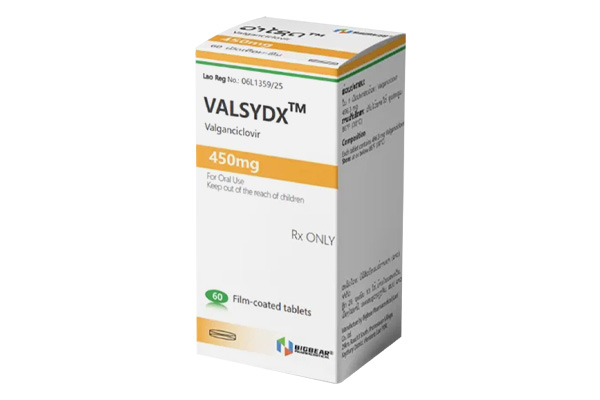
Valganciclovir is a deoxynucleoside analogue inhibitor of cytomegalovirus (CMV) DNA polymerase.

 AuthenticGuaranteeFast DeliveryPrivacy
 Valganciclovir, the active ingredient of Valcyte, is a prodrug of ganciclovir. After oral administration, it is rapidly converted to ganciclovir, which blocks CMV replication by inhibiting the activity of viral DNA polymerase.
Valganciclovir is mainly indicated for the treatment of cytomegalovirus (CMV) retinitis in patients with acquired immunodeficiency syndrome (AIDS), and for the prevention of CMV infection in high-risk solid organ transplant recipients.
1.Standard DoseThe usual dose is 900 mg, to be taken with food.
2.Induction Therapy for CMV RetinitisFor patients with active CMV retinitis, the recommended dose is 900 mg (two 450 mg tablets) twice daily for 21 days. Prolonged induction therapy may increase the risk of myelotoxicity.
3.Maintenance Therapy for CMV RetinitisFollowing induction therapy, or in patients with inactive CMV retinitis, the recommended dose is 900 mg (two 450 mg tablets) once daily.Patients with worsening retinitis may repeat induction therapy.
4.Prevention of CMV Infection in Transplant Patients(1) Renal transplant patients: The recommended dose is 900 mg (two 450 mg tablets) once daily, starting within 10 days after transplantation and continuing until 200 days post-transplant.(2) Patients receiving solid organ transplants other than renal: The recommended dose is 900 mg (two 450 mg tablets) once daily, starting within 10 days after transplantation and continuing until 100 days post-transplant.
Valganciclovir hydrochloride tablets should be avoided in pregnant women or women who may be pregnant, unless the benefit to the mother clearly outweighs the potential risk to the fetus.
Breastfeeding is not recommended during treatment with valganciclovir. If use is clinically necessary, breastfeeding must be discontinued under medical supervision.
The efficacy and safety of valganciclovir in geriatric patients have not been established. Geriatric patients commonly have age‑related decreases in hepatic and renal function. Valganciclovir should be used with caution and under close medical supervision if required.
The safety and efficacy of valganciclovir hydrochloride tablets have not been established in pediatric patients in China. Therefore, the use of valganciclovir hydrochloride tablets is not recommended in children.
Valganciclovir is a prodrug of ganciclovir and is rapidly converted to ganciclovir after oral administration. Therefore, the known adverse reactions associated with ganciclovir are expected to occur with the use of valganciclovir hydrochloride tablets. The common adverse reactions observed in clinical studies are as follows:
Diarrhea, nausea, vomiting, abdominal pain, constipation, dyspepsia.
Fever, fatigue, edema of the lower extremities.
Neutropenia, anemia.
Oral candidiasis, pharyngitis, nasopharyngitis, upper respiratory tract infections.
Headache, insomnia, tremor, dizziness.
Dermatitis, rash.
Cough, dyspnea.
Liver function abnormalities, hepatitis, jaundice.
Back pain, arthralgia.
Renal function abnormalities, hematuria, impotence, renal failure, increased frequency of urination, decreased renal creatinine clearance.
Anorexia, electrolyte disturbances, dehydration, increased blood alkaline phosphatase, increased blood creatine phosphokinase, decreased blood glucose, increased blood lactate dehydrogenase, diabetes mellitus, hypoproteinemia.
Retinal detachment, blurred vision.
Arrhythmias (including ventricular arrhythmias), migraine, phlebitis, tachycardia, deep vein thrombophlebitis, vasodilation.
Postoperative complications, postoperative pain, postoperative incision infection, increased wound drainage, wound dehiscence. Potentially life-threatening bleeding associated with thrombocytopenia.
Depression, blood pressure disorders, graft and transplant rejection, and other conditions may also occur.
1.Valganciclovir hydrochloride tablets are contraindicated in patients with known hypersensitivity to valganciclovir, ganciclovir, or any other ingredient in the product.
2.Due to the similar chemical structures of valganciclovir hydrochloride tablets, acyclovir, and valacyclovir, cross‑hypersensitivity may occur among these medicinal products.
1.Valganciclovir hydrochloride tablets must not be substituted for ganciclovir capsules on a 1:1 basis.
2.For patients with severe leukopenia, neutropenia, anemia, and/or thrombocytopenia, treatment with hematopoietic growth factors and/or dose interruption should be considered.
3.Dosage adjustment based on creatinine clearance is required in patients with renal impairment.
4.Convulsions, sedation, dizziness, ataxia, and/or confusion have been reported following the use of valganciclovir hydrochloride tablets and/or ganciclovir.
5.Tablets must not be broken or crushed.
If any issues arise, please contact us immediately.
Email:haiousales@gmail.com

Avoid being near people who are sick or have infections. Tell your doctor at once if you develop signs of infection. Avoid activities that may increase your risk of bleeding or injury.
Avoid driving or hazardous activity until you know how Valcyte will affect you. Your reactions could be impaired.
Using this medicine will not prevent your disease from spreading. Ask your doctor how to prevent HIV transmission during sex. Sharing drug or medicine needles is never safe.
Valcyte can harm your kidneys, especially if you also use certain medicines for infections, cancer, osteoporosis, organ transplant rejection, bowel disorders, high blood pressure, or pain or arthritis (including Advil, Motrin, and Aleve).
Other drugs may affect Valcyte, including prescription and over-the-counter medicines, vitamins, and herbal products. Tell your doctor about all other medicines you use.
Take the medicine as soon as you can, but skip the missed dose if it is almost time for your next dose. Do not take two doses at one time.
Copyright2024@ BIGBEAR All right reserved BIGBEAR


