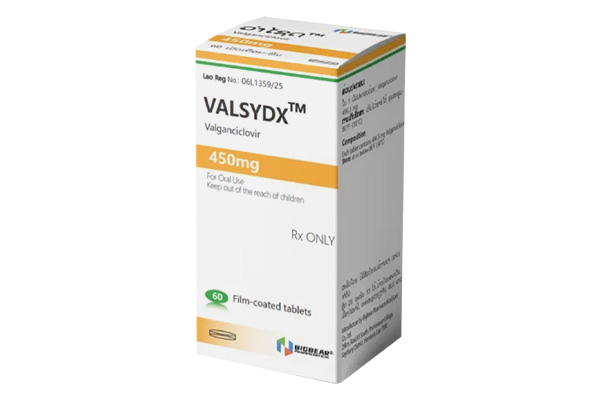
Valganciclovir is a prodrug of ganciclovir and is rapidly converted to ganciclovir after oral administration. Therefore, adverse reactions known to be associated with ganciclovir are expected to occur with valganciclovir as well. All adverse events observed in clinical trials of valganciclovir have also been reported with ganciclovir.
In a randomized clinical trial in which 79 patients received valganciclovir or intravenous ganciclovir for 28 days (21 days of induction therapy followed by 7 days of maintenance therapy), safety profiles were comparable between the two groups. The most frequently reported adverse events were diarrhea, neutropenia, and pyrexia. Diarrhea, oral candidiasis, headache, and fatigue were more common in the oral valganciclovir group, whereas nausea and injection‑site reactions were reported more frequently in the intravenous ganciclovir group.
Adverse Reactions Associated with Ganciclovir
Since valganciclovir is rapidly and extensively converted to ganciclovir, the following additional adverse reactions attributed to ganciclovir may also occur with valganciclovir:
1. Gastrointestinal Disorders
Abdominal distension, cholangitis, dyspepsia, dysphagia, hiccups, esophagitis, fecal incontinence, flatulence, gastritis, gastrointestinal disorder, gastrointestinal hemorrhage, oral ulceration, pancreatitis, tongue disorder.
2. General Disorders and Administration Site Conditions
Ascites, asthenia, bacterial, fungal and viral infections, hemorrhage, malaise, mucosal disorder, pain, photosensitivity reaction, chills, sepsis.
3. Hepatobiliary Disorders
Hepatitis, jaundice.
4. Skin and Subcutaneous Tissue Disorders
Acne, alopecia, seborrheic dermatitis, dry skin, hyperhidrosis, urticaria.
5. Nervous System Disorders
Abnormal dreams, amnesia, anxiety, ataxia, coma, dry mouth, emotional lability, hyperkinesia, hypertonia, decreased libido, myoclonus, nervousness, somnolence, thinking abnormal, tremor.
6. Musculoskeletal and Connective Tissue Disorders
Musculoskeletal pain, muscle weakness syndrome.
7. Renal and Urinary Disorders
Hematuria, impotence, renal failure, urinary frequency.
8. Metabolism and Nutrition Disorders
Increased blood alkaline phosphatase, increased blood creatine phosphokinase, decreased blood glucose, increased blood lactate dehydrogenase, hypomagnesemia, diabetes mellitus, edema, hepatic function abnormal, hypocalcemia, hypokalemia, hypoproteinemia.
9. Eye and Ear Disorders
Amblyopia, blindness, ear pain, eye hemorrhage, eye pain, deafness, glaucoma, taste disturbance, tinnitus, visual disturbance, vitreous disorder.
10. Blood and Lymphatic System Disorders
Eosinophilia, leukocytosis, lymphadenopathy, splenomegaly.
11. Cardiovascular Disorders
Arrhythmia (including ventricular arrhythmia), deep thrombophlebitis, hypertension, hypotension, migraine, phlebitis, tachycardia, vasodilation.
12. Respiratory, Thoracic and Mediastinal Disorders
Pleural effusion, sinus congestion.
Post‑Marketing Adverse Events
Post‑marketing spontaneous reports for intravenous and oral ganciclovir include additional adverse events for which a causal relationship cannot be excluded. Because valganciclovir is rapidly and extensively converted to ganciclovir, these events may also occur with valganciclovir:
Hypersensitivity reactions
Decreased male fertility
These post‑marketing adverse events are consistent with those observed in clinical trials of valganciclovir and ganciclovir.