
BIGBEAR
PHARMACEUTICAL
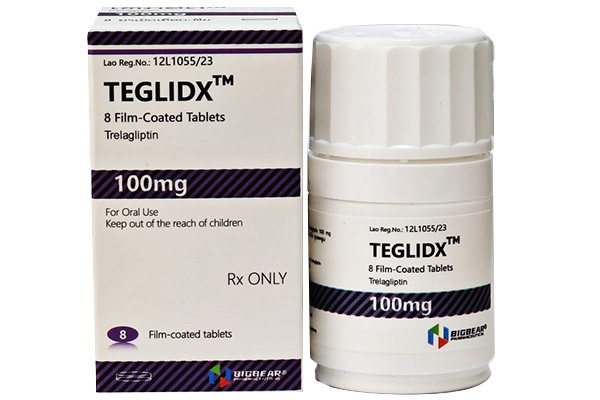
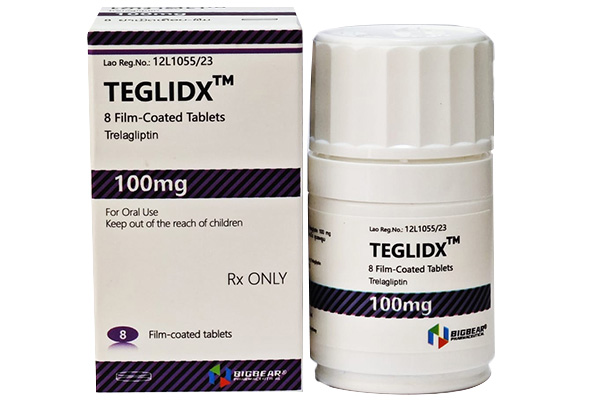
Trelagliptin exerts its effect by inhibiting the activity of dipeptidyl peptidase-4, thereby delaying the degradation of glucagon-like peptide-1.

 AuthenticGuaranteeFast DeliveryPrivacy
 Trelagliptin delays the degradation of endogenous glucagon-like peptide-1 (GLP-1), thereby increasing the plasma concentration of active GLP-1. GLP-1 promotes insulin secretion and inhibits glucagon release in a glucose-dependent manner, ultimately reducing blood glucose levels.
This product is indicated only when dietary therapy and exercise therapy, the foundational treatments for diabetes, have been fully implemented yet yield inadequate therapeutic effects.
The recommended dose for adults is 100 mg of Trelagliptin administered orally, once weekly.
This product is a weekly medication and should be taken on a fixed day each week.If a dose is missed, the prescribed single dose should be taken immediately upon recollection, and subsequent doses should continue to be administered according to the original fixed weekly schedule.
Plasma concentrations of this product may be elevated in patients with renal impairment due to delayed excretion. Dose adjustment should be performed based on the severity of renal impairment in reference to the table below.
Serum creatinine (mg/dL): Male: 1.4 < ~ ≤ 2.4; Female: 1.2 < ~ ≤ 2.0
Creatinine clearance (Ccr, mL/min): 30 ≤ ~ < 50
Administered dose: 50 mg once weekly
Serum creatinine (mg/dL): Male: > 2.4; Female: > 2.0
Creatinine clearance (Ccr, mL/min): < 30
Administered dose: 25 mg once weekly
Note 1: Converted values corresponding to Ccr (for a 60-year-old patient with a body weight of 65 kg).
Note 2: No special requirements for the interval between administration of this product and hemodialysis in patients with ESRF.
This product may be administered to pregnant women or women of childbearing potential only if the anticipated therapeutic benefit outweighs the potential risks. Animal studies (in rats) have shown that this product can cross the placental barrier.
The continuation or discontinuation of breastfeeding should be evaluated after a comprehensive assessment of the therapeutic benefit of the product and the benefits of breastfeeding. Animal studies (in rats) have shown that this product is excreted into breast milk.
Clinical trials in pediatric patients have not been conducted.
Close monitoring for adverse reactions is required, and administration should be undertaken cautiously with thorough observation of the disease course. Renal function decline is common in geriatric patients.
Hypoglycemia may occur in patients with the following conditions or states: hypopituitarism, adrenocortical insufficiency, malnutrition, starvation, irregular diet, insufficient food intake, debilitation, and strenuous physical exercise.
See Warnings and Precautions.
Intestinal obstruction, including intestinal occlusion, may occur.
Dose reduction is required for patients with moderate to severe renal impairment, and the patient’s condition should be closely monitored. Plasma concentrations of this product may increase due to delayed excretion depending on the severity of renal impairment.
Hypoglycemia may occur. Severe hypoglycemia leading to loss of consciousness has been reported when this product is used in combination with sulfonylureas or insulin preparations. If hypoglycemic symptoms are observed, appropriate measures such as oral carbohydrate intake should be taken. However, glucose should be administered when this product is used in combination with α-glucosidase inhibitors.
If blisters, erosion or other symptoms occur, consultation with a dermatologist is required, and appropriate measures such as treatment discontinuation should be taken.
If persistent severe abdominal pain, vomiting or other abnormal symptoms are observed, treatment should be discontinued and appropriate measures taken.
Intestinal obstruction, including intestinal occlusion, may occur. If severe constipation, abdominal distension, persistent abdominal pain, vomiting or other abnormal symptoms are observed, treatment should be discontinued and appropriate measures taken.
Hypersensitivity reactions: Rash, pruritus
Cardiovascular system: Atrial fibrillation
Liver: Increased ALT, increased AST, increased γ-GTP
Others: Increased serum amylase, increased lipase, increased CK, positive urine occult blood, nasopharyngitis
1.Patients with severe ketosis, diabetic ketoacidosis, pre-ketoacidosis, or type 1 diabetes mellitus. Rapid correction of hyperglycemia via infusion and insulin is essential for such patients, and this product is not indicated.
2.Patients with severe infection, those undergoing perioperative care, or patients with severe trauma. Blood glucose management via insulin injection is recommended for such patients, and this product is not indicated.
3.Patients with a known history of hypersensitivity to any component of this product.
This product may cause hypoglycemia. Therefore, patients should be fully informed of hypoglycemic symptoms and their management methods prior to use, and advised to exercise caution.Since hypoglycemic symptoms may occur, caution is required when administering this product to patients engaged in high-altitude operations, motor vehicle driving or other similar occupations.
This product is an oral weekly medication, and its pharmacological effects persist after discontinuation. Therefore, close attention should be paid to blood glucose levels and the occurrence of adverse reactions. If other antidiabetic drugs are to be used after discontinuing this product, the initiation time and dosage should be determined based on blood glucose control status and other factors.During the administration of this product, regular blood glucose monitoring is required, and the disease course should be thoroughly observed. If inadequate therapeutic effects are observed after continuous administration for 2 to 3 months, consideration should be given to switching to a more appropriate treatment regimen.
Acute pancreatitis may occur. Patients should be instructed to seek immediate medical attention if initial symptoms such as persistent severe abdominal pain and vomiting appear.
Both this product and GLP-1 receptor agonists exert hypoglycemic effects mediated by the GLP-1 receptor. Clinical trial data on the concomitant use of the two drugs are lacking, and their efficacy and safety have not been confirmed.
If any issues arise, please contact us immediately.
Email:laosbigbear@gmail.com
Copyright2024@ BIGBEAR All right reserved Bigbear | Bigbear Pharmaceutical | Bigbear Laos


