
BIGBEAR
PHARMACEUTICALS
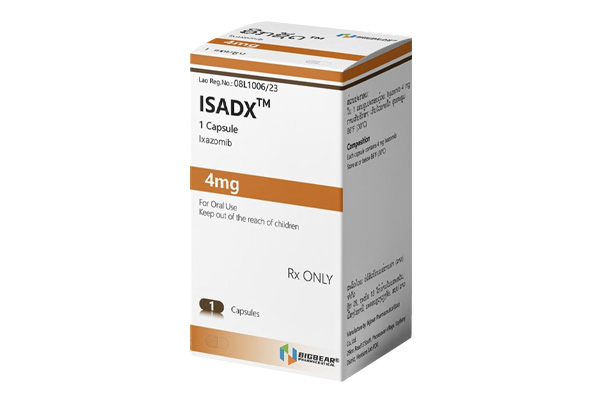
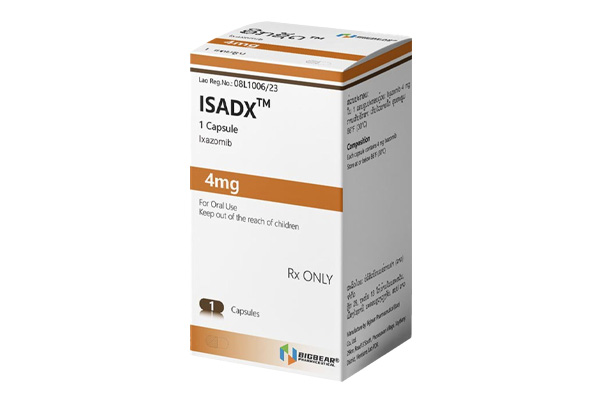
Ixazomib is a targeted anticancer drug that controls cancer cell growth by reversibly inhibiting the function of the proteasome.

 AuthenticGuaranteeFast DeliveryPrivacy
 Ixazomib exerts its effect by inhibiting intracellular proteasome function, thereby blocking the normal metabolic and degradative mechanisms of cancer cells and inducing cancer cell death. This unique mechanism of action makes ixazomib play an important role in the treatment of hematologic malignancies such as multiple myeloma.
This drug is specifically indicated for the treatment of adult patients with multiple myeloma (a hematologic malignancy). Laboratory studies have shown:
1.Ixazomib can induce apoptosis of myeloma cancer cells.
2.It remains effective in patients with relapsed disease after treatment with multiple agents such as bortezomib, lenalidomide, and dexamethasone.
3.When combined with lenalidomide, the synergistic effect produces a stronger anticancer effect.
1.Adult patients with a confirmed diagnosis of multiple myeloma.
2.Patients who have received at least one prior systemic therapy (including chemotherapy, targeted therapy, etc.).
3.Patients requiring a triple therapy regimen of lenalidomide + dexamethasone + ixazomib.
As this product must be used in combination with lenalidomide and dexamethasone, additional precautions should be referenced from the prescribing information for these two drugs.
Contraindicated in patients with hypersensitivity to any ingredient, and in women who are pregnant, breastfeeding, or planning a pregnancy. Individuals who drive or operate machinery, as well as elderly patients aged 75 years and older, are considered high-risk groups and are generally not recommended for use. If use is deemed necessary after physician evaluation, close monitoring of the patient’s condition is required. Patients taking other medications must disclose their full medical history and current medications to a physician or pharmacist before use. Patients who may be pregnant or breastfeeding must proactively inform their physician.
Adult patients take this medication orally. It is important to note that this drug must be initiated under the guidance of a physician with extensive experience in the treatment of multiple myeloma, and professional monitoring must be continued throughout the treatment process.
A 28-day treatment cycle is used, with administration on Days 1, 8, and 15 of each cycle at a dose of 4 mg per administration.Three key points to note:
1.Administer at approximately the same time each day.
2.Take on an empty stomach (at least 1 hour before or at least 2 hours after a meal).
3.Swallow the capsule whole with warm water; do not crush, chew, or open the capsule.
A 28-day treatment cycle is used, with 25 mg administered once daily on Days 1 to 21 of each cycle.
A 28-day treatment cycle is used, with 40 mg administered on Days 1, 8, 15, and 22 of each cycle.
The content of the package insert may vary among manufacturers of the same drug. The above dosage information is primarily referenced from Chinese Clinical Medication Guidelines: Chemical and Biological Products Volume (2020 Edition) and Newly Compiled Clinical Medication Rapid Reference Manual (3rd Edition). If there is any inconsistency between the package insert and the above guidance, confirm with a physician or pharmacist immediately.
During treatment, thrombocytopenia may occur, with platelet counts typically reaching their lowest between Days 14 and 21 of each 28-day cycle and returning to normal at the start of the next cycle. Platelet counts should be monitored at least monthly, with increased frequency during the first three months of treatment as specified in the package insert. The physician will adjust the dosage or arrange transfusions as needed to manage platelet levels. Adhere strictly to medical advice during treatment and monitor for adverse reactions. Discontinue use if the color, shape, or odor of the drug changes. Keep the medication out of reach of children.
For daily dosing:
If a dose is missed on the same day, take it immediately.
If the dose is not remembered until the next day, skip the missed dose and resume the regular schedule; do not double the dose.
Important Note: Do not take a double dose to make up for a missed dose, as this may cause toxicity. Consult a physician or pharmacist if there is any uncertainty about the dosage.
Strictly contraindicated.Female patients of childbearing potential should proactively inform their physician of their reproductive status during consultation to facilitate the development of an individualized treatment plan.
Currently lacking safety and efficacy data.
No clinical research data available to support use.
Clinical observations indicate that some patients may experience fatigue, dizziness, and other symptoms. If such symptoms occur, discontinue relevant operations immediately.
Clinical data show that 28% of patients in the ixazomib group discontinued treatment (vs. 16% in the placebo group). The incidence of arrhythmia was 21% in the treatment group (vs. 15% in the placebo group).
Possible bodily reactions include:
Hematologic system: Decreased platelet, neutrophil, and white blood cell counts.
Gastrointestinal system: Nausea, vomiting, diarrhea, or constipation.
Nervous system: Peripheral neuropathy (e.g., numbness, tingling, or pain in the hands and feet).
Skin reactions: Rash.
Musculoskeletal system: Lower back pain and bone pain.
Immune system: Increased susceptibility to infections (e.g., common cold, herpes zoster).
Ocular effects: Blurred vision, dry eyes, conjunctivitis, or even cataracts.
Local reactions: Edema (e.g., swelling of the hands and feet).
These reactions are related to individual constitution and medication use. Monitor vital signs (blood pressure, heart rate, respiration) closely during treatment. Report any discomfort to a physician immediately for professional management.
The following groups are explicitly prohibited from using ixazomib:
1.Patients with hypersensitivity to the active ingredient or any excipient in the formulation.
2.Women who are pregnant, breastfeeding, or planning a pregnancy.
This product must be used in combination with lenalidomide and dexamethasone; therefore, the contraindications of these two drugs must also be considered. Unauthorized use by the above groups may lead to severe consequences, including exacerbation of underlying diseases or life-threatening adverse reactions, and must be strictly avoided.
A small number of patients may develop Posterior Reversible Encephalopathy Syndrome (PRES), a neurological disorder that can cause seizures, hypertension, severe headache, confusion, or visual disturbances. Diagnosis requires brain magnetic resonance imaging (MRI). Discontinue treatment immediately if PRES-related symptoms occur. Seek prompt medical attention for severe discomfort during treatment; the physician will decide whether to discontinue the drug or implement other therapeutic measures based on the clinical situation.
If any issues arise, please contact us immediately.
Email:haiousales@gmail.com

Copyright2024@ BIGBEAR All right reserved BIGBEAR


