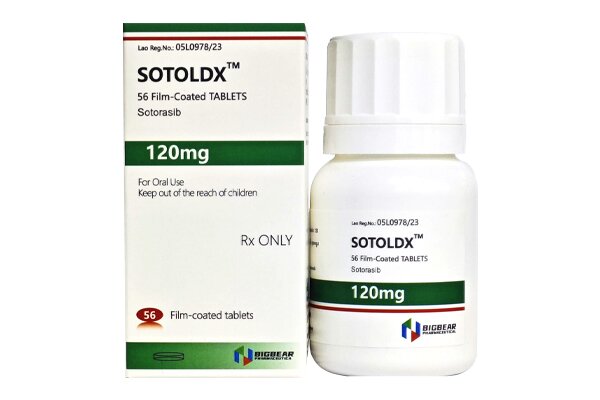
Sotorasib is a targeted therapy for KRAS G12C-mutant non-small cell lung cancer (NSCLC). Its price varies significantly depending on region, dosage, purchase channel, and health insurance policies. Prices may be higher in Europe and the United States. Specific costs require a comprehensive assessment based on the patient's treatment plan and local policies.
Main Factors Affecting Price
Regional Differences
Domestic prices are affected by import tariffs and distribution costs, and may fluctuate slightly between different provinces.
Prices in developed countries such as Europe and the United States are generally higher than in Asia. In some countries, partial costs can be reimbursed through health insurance.
Dosage and Treatment Course
Patients need to take 960mg (8 tablets) orally daily. One box usually provides a 30-day supply. Costs will increase if dosage adjustments or long-term treatment are required.
Health Insurance and Assistance Policies
Currently, this drug is not included in my country's national health insurance catalog, but some regions or hospitals offer charitable drug donation programs to reduce the financial burden.
Overseas patients can pay attention to local health insurance reimbursement rates or pharmaceutical company patient assistance programs (such as Amgen's patient support program).
Precautions for Use
Strictly follow your doctor's instructions: Sotorasidib is a prescription drug and requires confirmation of a KRAS G12C mutation through genetic testing before use, as assessed by an oncologist.
Side Effect Management: Common adverse reactions include diarrhea and elevated liver enzymes. Liver function should be monitored regularly and the dosage adjusted accordingly.
Medical Guidance: If severe discomfort occurs during medication (such as persistent vomiting or jaundice), discontinue use immediately and seek medical attention.
Patients are advised to obtain this medication from reputable hospitals or authorized pharmacies to avoid purchasing from unofficial channels. Those facing financial difficulties may consult their attending physician about assistance programs or opportunities to participate in clinical trials.