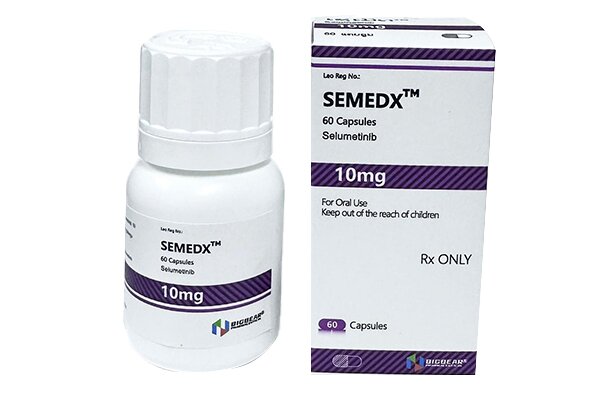
Overview of Selumetinib
Selumetinib sulfate capsules are an oral MEK inhibitor indicated for the treatment of inoperable plexiform neurofibromas associated with neurofibromatosis type 1 (NF1). By inhibiting MEK, a key enzyme in the MAPK signaling pathway, it blocks abnormal cell proliferation and delays tumor progression. Selumetinib must be used under medical supervision and may cause skin, ocular, and cardiac side effects, requiring regular monitoring.
Indications and Mechanism of Action
Indications
In China, selumetinib sulfate capsules are approved for the treatment of symptomatic, inoperable plexiform neurofibromas in patients aged 3 years and older with neurofibromatosis type 1 (NF1). These tumors may cause pain, functional impairment, or disfigurement, and the drug can reduce tumor volume or slow growth.
Mechanism of Action
Selumetinib selectively inhibits MEK1/2 protein kinases, disrupting the MAPK signaling pathway (RAS-RAF-MEK-ERK pathway). In NF1 patients, gene mutations lead to aberrant activation of this pathway, driving tumor growth. Selumetinib blocks this process to inhibit tumor cell proliferation.
Dosage and Administration
Recommended Dosage
Dosed based on body surface area (BSA): typically 25 mg/m² twice daily, administered with meals to enhance absorption.
Administration Instructions
Swallow capsules whole; do not open or chew.
Dosage Adjustment
For severe side effects (e.g., cardiomyopathy, retinopathy), treatment may be interrupted or the dose reduced.
Common Side Effects and Management
Skin Reactions
Acne-like rash, paronychia, etc. Management: Relieved with topical medications (e.g., antibiotic ointments).
Gastrointestinal Reactions
Diarrhea, nausea, etc. Management: Adjust diet or use antidiarrheal agents.
Ocular Problems
Blurred vision, retinopathy, etc. Management: Regular ophthalmologic examinations are required.
Cardiac Toxicity
May cause reduced left ventricular ejection fraction (LVEF). Management: Monitor cardiac function every 3 months.
Severe Side Effects
Immediate discontinuation and medical attention are required for severe reactions such as persistent vomiting or dyspnea.