NICE Recommendation Announcement
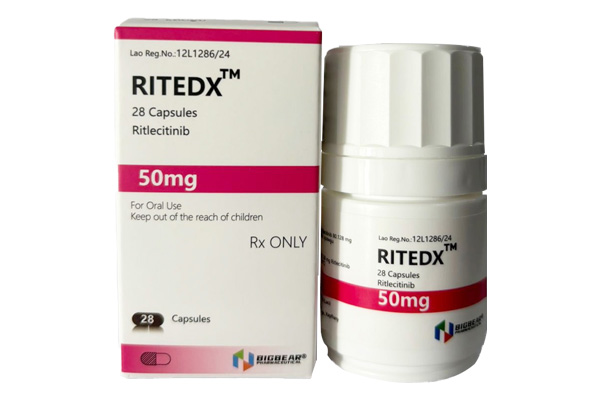
Recently, Litfulo (ritlecitinib) from Pfizer has been recommended by the UK National Institute for Health and Care Excellence (NICE) for the treatment of severe alopecia areata in patients aged 12 years and older.
This decision by NICE makes Litfulo the first drug for severe alopecia areata recommended for use in the UK National Health Service (NHS).
Overview of Alopecia Areata
Alopecia areata affects approximately 147 million people worldwide. It is an autoimmune disease characterized by patchy or complete hair loss on the scalp, face, or body. The condition can occur at any age, and nearly 20% of patients are diagnosed before the age of 18.
Mechanism of Action of Litfulo
Litfulo is an oral once-daily kinase inhibitor. It works by blocking the activity of enzymes involved in hair follicle inflammation in the body, which reduces inflammation and promotes hair regrowth in patients with alopecia areata.
Regulatory Background
NICE’s decision follows approval by the Medicines and Healthcare products Regulatory Agency (MHRA) in November for the same patient population.
The MHRA decision was supported by positive results from the Phase 2b/3 ALLEGRO trial, which evaluated Litfulo in patients aged 12 years and older with 50% or more scalp hair loss, including those with total scalp and total body hair loss.
Clinical Trial Efficacy Results
Results showed that 13.4% of adults and adolescents achieved 90% or more scalp hair coverage after 24 weeks of treatment with 50 mg Litfulo, compared with only 1.5% in the placebo group.
Ongoing Clinical Development
Litfulo is also being evaluated in the Phase 3 ALLEGRO-LT study, which is collecting safety and efficacy data in adults with 25% or more scalp hair loss and adolescents aged 12 years and older with 50% or more scalp hair loss.
Global Approval Status
Litfulo is already approved in China, the European Union, the United States, and Japan for the treatment of severe alopecia areata in adults and adolescents. It is also being investigated for other potential indications, including non-segmental vitiligo.