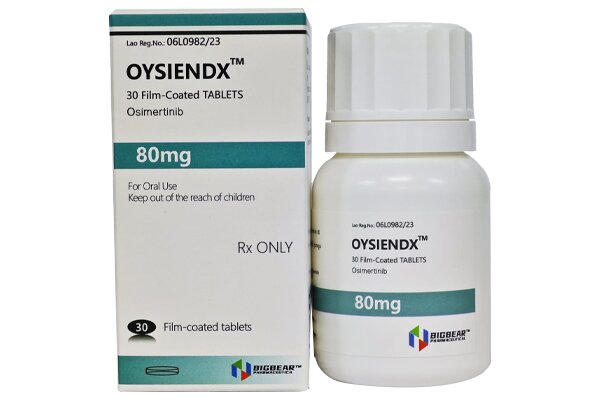
Osimertinib is a targeted therapy for non-small cell lung cancer. Common side effects include skin reactions (rash, dryness), gastrointestinal discomfort (diarrhea, nausea), fatigue, and abnormal blood parameters. A small number of patients may experience serious reactions such as interstitial lung disease or cardiotoxicity, requiring strict adherence to the doctor's instructions and close monitoring.
I. Common Side Effects
Skin Reactions: Approximately half of patients experience rash, dry skin, or itching, which can be relieved by moisturizing or topical medications.
Gastrointestinal Discomfort: Diarrhea (approximately 40%), nausea, and decreased appetite. Mild symptoms can be improved by adjusting diet or fluid replacement; severe cases require medication intervention.
Systemic Reactions: Fatigue and muscle and joint pain, usually relieved by rest.
Changes in Blood Parameters: Such as thrombocytopenia and leukopenia, requiring regular blood tests for monitoring.
II. Serious Side Effects (Requires Immediate Medical Attention)
Interstitial Lung Disease (ILD): Occurs in approximately 3%-4%, manifesting as sudden onset of dyspnea, worsening cough, or fever. Immediate discontinuation of the drug and administration of hormone therapy are necessary.
Cardiac problems: QT interval prolongation, arrhythmia, or heart failure require regular monitoring of electrocardiogram (ECG) and cardiac function.
Liver damage: Elevated transaminases, possibly accompanied by jaundice or abdominal pain, require discontinuation of the medication and liver-protective treatment.
III. Potential effects of long-term use
Some patients may experience renal dysfunction or vision problems (such as keratitis) after long-term use, requiring regular liver and kidney function tests and ophthalmological examinations.
IV. Precautions
Strictly follow doctor's orders: Dosage adjustments or discontinuation of the medication must be evaluated by a doctor and should not be decided by oneself.
Monitoring and prevention: In the initial stage of treatment, check blood routine, liver and kidney function, and cardiac function every 2-4 weeks. The interval can be appropriately extended in the later stages.
Lifestyle habits: Avoid excessive sun exposure (which can worsen skin reactions). Pay attention to hydration and electrolyte balance during diarrhea.
If persistent high fever, chest pain, severe dyspnea, or confusion occurs, immediate emergency treatment is required. Maintain communication with your doctor during medication to ensure a balance between safety and efficacy.