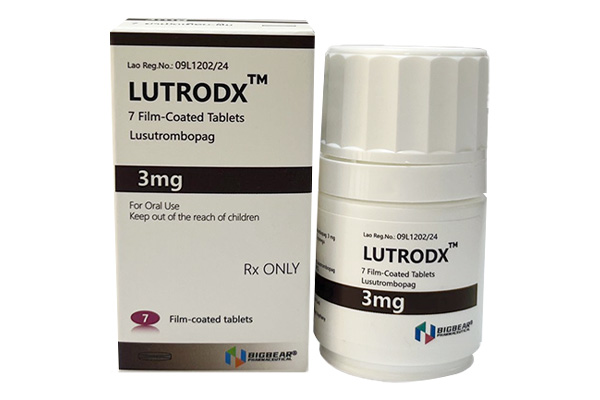
Latest Price of Lusutrombopag in 2026
Lusutrombopag is an oral small‑molecule thrombopoietin‑mimetic drug indicated for the treatment of thrombocytopenia in adult patients with chronic liver disease who are scheduled to undergo surgery. It selectively stimulates megakaryocyte proliferation and differentiation, effectively elevating platelet counts and reducing bleeding risk during surgery due to insufficient platelets.
The DaXiong (Laos) version of lusutrombopag has a specification of 3 mg × 7 tablets, with a price of approximately $157 per box. The price of lusutrombopag is subject to various factors including exchange rates, so the above price is for reference only.
Adverse Reactions of Lusutrombopag
In clinical practice, lusutrombopag has a low incidence of adverse reactions, most of which are mild. The most common adverse reaction is headache, typically presenting as mild bilateral frontal or temporal dull pain. It usually occurs 1–3 days after administration, lasts for a short duration (1–2 days), and resolves spontaneously in most patients without discontinuation. Headache is related to mild vascular effects of the drug or individual tolerance and generally does not affect daily activities. If pain is severe, analgesics may be taken under medical guidance.
Precautions for Lusutrombopag
Strict Control of Administration Timing
Initiate medication 8–14 days before the scheduled surgery, administer once daily for 7 consecutive days, and perform surgery within 2–8 days after the last dose. This time window allows platelet counts to peak preoperatively (usually 5–7 days after starting treatment) while avoiding intraoperative platelet count decline due to waning efficacy. If a dose is missed, take it as soon as possible on the same day and resume the regular schedule the next day; do not double the dose to make up for a missed dose.
Platelet Count Monitoring
Obtain a baseline platelet count before treatment to confirm eligibility (typically < 50 × 10⁹/L).
Recheck platelet count within 2 days before surgery to ensure it has risen to a safe range (generally ≥ 50 × 10⁹/L). If the target is not met, assess surgical risk and adjust the surgery schedule or combine with other supportive therapies as needed.
Avoid Combination with Other Platelet‑Elevating Drugs
Concomitant use with other thrombopoietin receptor agonists (e.g., avatrombopag, eltrombopag) or platelet‑releasing agents (e.g., epinephrine) is not recommended. Combination therapy may lead to excessive platelet elevation and increased thrombotic risk, with no evidence of improved surgical safety.