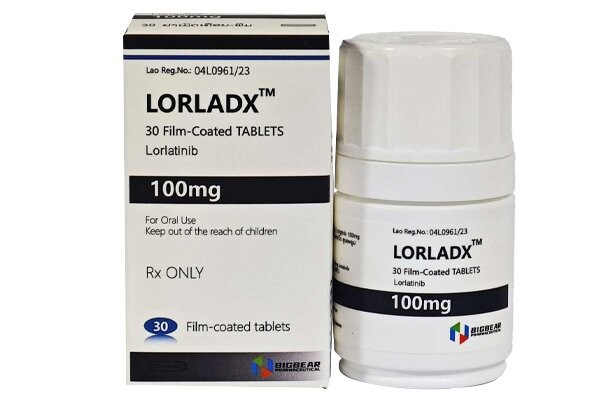
On March 3, 2021, the U.S. Food and Drug Administration (FDA) approved Pfizer's supplemental New Drug Application (sNDA) for lorlatinib, expanding its indication to include first-line treatment of patients with anaplastic lymphoma kinase (ALK)-positive non-small cell lung cancer (NSCLC).
Lorlatinib is currently indicated for adult patients with metastatic NSCLC whose tumors are confirmed to be ALK-positive by an FDA-approved assay. This FDA action also converts an accelerated approval from 2018 into full approval. The application was approved under the FDA's Real-Time Oncology Review (RTOR) pilot program.
“For over a decade, Pfizer has been a pioneer in biomarker-driven therapies, committed to meeting the diverse and evolving needs of patients with non-small cell lung cancer (NSCLC),” said Andy Schmeltz, Global President of Pfizer Oncology. “Lorlatinib is a transformative treatment for patients with ALK-positive advanced NSCLC, and this FDA approval for first-line treatment means we can now bring hope to even more patients.”
Lorlatinib is a third-generation ALK inhibitor specifically designed to inhibit the most common tumor mutations that lead to resistance to existing drugs, while also targeting brain metastases—a common site of disease progression in ALK-positive NSCLC. Up to 40% of patients with ALK-positive metastatic NSCLC have brain metastases at initial diagnosis.
Adverse Reactions of Lorlatinib
In patients receiving lorlatinib, adverse events (AEs) of any grade occurring in ≥20% of patients, along with grade 3–4 laboratory abnormalities, included edema (56%), weight gain (38%), peripheral neuropathy (35%), cognitive impairment (21%), diarrhea (21%), dyspnea (20%), and hypertriglyceridemia (22%). Serious adverse events occurred in 34% of patients receiving lorlatinib; the most common serious adverse events were pneumonia (4.7%), dyspnea (2.7%), respiratory failure (2.7%), cognitive impairment (2.0%), and fever (2.0%).
Fatal adverse events occurred in 3.4% of patients receiving lorlatinib, including pneumonia (0.7%), respiratory failure (0.7%), acute heart failure (0.7%), pulmonary embolism (0.7%), and sudden death (0.7%). 6.7% of patients permanently discontinued lorlatinib due to adverse events.
49% and 21% of patients receiving lorlatinib, respectively, experienced dose interruptions and dose reductions due to adverse events. Detailed results from the CROWN study were published in the November 2020 issue of the New England Journal of Medicine.