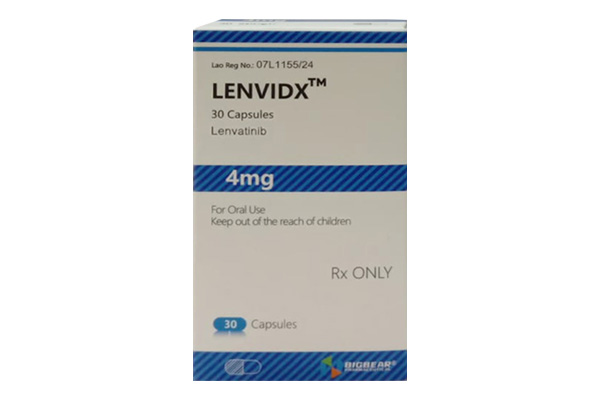
Mechanism of Action
Lenvatinib is a targeted anticancer drug that exerts antitumor effects by blocking the activity of specific proteins. It primarily inhibits three key proteins in the vascular endothelial growth factor (VEGF) receptor family: VEGFR1, VEGFR2, and VEGFR3. These proteins act as "switches" that supply nutrients to tumors. By blocking these switches, lenvatinib prevents new blood vessel formation, cuts off the tumor’s nutrient supply, and thereby inhibits tumor growth and disease progression.
All use of lenvatinib must strictly follow the guidance of a qualified physician.
Indications
Primary Indication
Unresectable hepatocellular carcinoma (HCC) in treatment-naive patients who have not received prior systemic therapy. "Unresectable" refers to tumors that are anatomically inaccessible or too large to be removed surgically.
Important Limitation
Patients eligible for local therapies (e.g., interventional therapy, radiotherapy) were not included in key clinical studies, so there is insufficient data to support the use of lenvatinib in this population.
Adverse Reactions
Based on clinical trial observations, potential adverse reactions of lenvatinib include (but are not limited to):
Hypertension
Proteinuria (manifested as foamy urine)
Renal dysfunction (may progress to renal failure in severe cases)
Cardiac events (e.g., heart failure with chest tightness and dyspnea, cardiogenic shock with sudden hypotension)
Hepatic dysfunction (manifested as jaundice, elevated bilirubin and transaminases in laboratory tests)
Vascular occlusion (e.g., arterial thrombosis with sudden chest pain)
Severe gastrointestinal reactions (e.g., gastrointestinal bleeding, intestinal perforation)
Electrolyte disturbances (e.g., hypocalcemia with numbness in hands and feet)
Note: Data from different clinical studies may vary, and the incidence and severity of adverse reactions in actual treatment are patient-dependent.