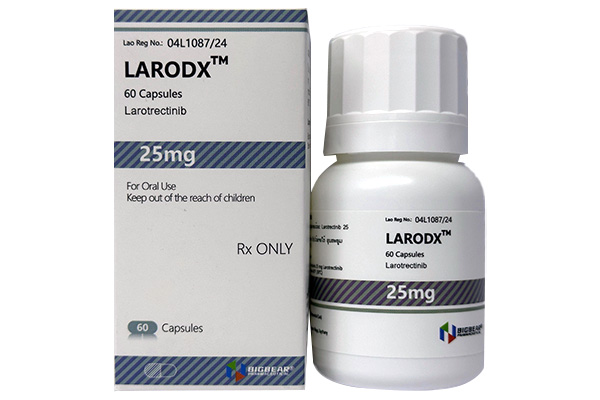
Classification of Larotrectinib
Larotrectinib is a targeted therapeutic agent belonging to the class of TRK inhibitors.It acts by selectively inhibiting abnormal proteins produced by NTRK gene fusions.It does not modulate the immune system and is therefore not an immunotherapy.It is mainly used for the treatment of solid tumor patients harboring NTRK gene fusions.
Differences Between Targeted Drugs and Immunotherapies
Targeted Drugs
Act directly on specific gene mutations or proteins to block tumor growth signals.For example, larotrectinib targets NTRK fusion genes and inhibits downstream oncogenic signaling pathways.
Immunotherapies
Work by activating the body’s immune system to recognize and attack cancer cells, such as PD‑1/PD‑L1 inhibitors.
Characteristics of Larotrectinib
Precision
Effective only against tumors with NTRK gene fusions, which occur in multiple cancers (soft tissue sarcoma, thyroid cancer, lung cancer, etc.) but have a low overall prevalence (approximately 1%).
Tumor‑Agostic Activity
Suitable for adult and pediatric patients regardless of tumor primary site, making it a tissue‑agnostic anticancer drug.
High Efficacy
Clinical data show an objective response rate (ORR) of over 75%, with long‑term remission achievable in some patients.
Important Precautions
Mandatory Genetic Testing
Before treatment, genetic testing (e.g., DNA/RNA sequencing) is required to confirm the presence of NTRK gene fusion to avoid ineffective treatment.
Side Effect Management
Common adverse reactions include fatigue, dizziness, and liver function abnormalities, most of which are manageable.Prompt medical attention is needed for severe neurotoxicity (e.g., ataxia).
Strict Medical Supervision
Larotrectinib is a prescription drug.Dosing must be adjusted based on body weight and tumor type.Do not discontinue or modify the regimen without medical advice.
Eligible Patients and Limitations
Eligible Patients
Patients with advanced or metastatic solid tumors confirmed to harbor NTRK gene fusion, especially those with unresectable disease or failure of standard therapies.
Limitations
Not effective for tumors without this mutation.Resistance mutations may develop during long‑term use.
Eligible patients should receive standardized treatment under the guidance of an oncologist, with regular follow‑ups to evaluate efficacy and adverse reactions.