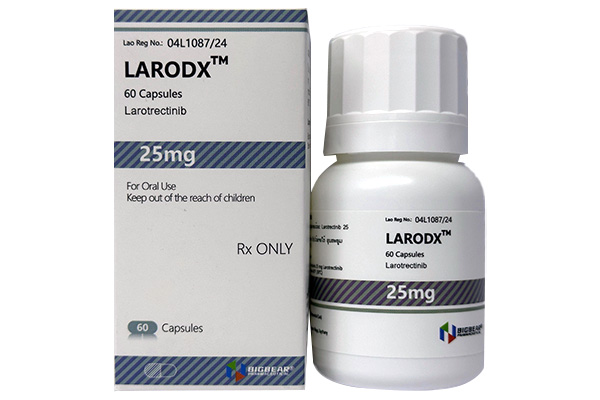
FDA Approval Announcement
November 26, 2018 -- The U.S. Food and Drug Administration today granted accelerated approval to Vitrakvi (larotrectinib).Vitrakvi is indicated for the treatment of adult and pediatric patients with solid tumors that meet the following criteria:
Harbor a neurotrophic receptor tyrosine kinase (NTRK) gene fusion without a known acquired resistance mutation
Are metastatic, or where surgical resection is likely to result in severe morbidity
Have no satisfactory alternative treatments, or have progressed following prior treatment
This approval marks a significant shift in cancer treatment toward tissue-agnostic therapy, approving a drug based on a common biomarker across different tumor types rather than the tumor’s primary site. It follows the FDA’s guidance document policies released earlier in 2018.
FDA Commissioner Remarks
“Today’s approval marks another step in an important shift toward treating cancers based on their tumor genetics rather than their site of origin in the body,” said FDA Commissioner Scott Gottlieb, M.D. “This new site‑agnostic oncology therapy isn’t specific to a cancer arising in a particular body organ, such as breast or colon cancer. Its approval reflects advances in the use of biomarkers to guide drug development and the more targeted delivery of medicine.
We now have the ability to make sure that the right patients get the right treatment at the right time. This type of drug development program, which enrolled patients with different tumors but a common gene mutation, wouldn’t have been possible a decade ago because we knew a lot less about such cancer mutations.
Using our breakthrough therapy designation and accelerated approval processes, we support innovation in precision oncology drug development and the evolution of more targeted and effective treatments for cancer patients. This is especially true when it comes to pediatric cancers. We’re committed to continuing to advance a more modern framework of clinical trial designs that support more targeted innovations across disease types based on our growing understanding of the underlying biology of diseases like cancer.”
Mechanism and Epidemiology of NTRK Fusions
NTRK Gene Function
NTRK genes encode the TRK family of proteins. Abnormal fusion of NTRK genes to other genes leads to constitutive growth signals that drive tumor development.
Prevalence and Unmet Medical Need
NTRK fusions are rare but occur across many tumor types. Prior to this approval, no targeted treatment existed for tumors that frequently express this mutation, such as:
Mammary analogue secretory carcinoma
Cellular or mixed congenital mesoblastic nephroma
Infantile fibrosarcoma
Clinical Trial Evidence
The efficacy of larotrectinib was evaluated in three clinical trials.
Study Population
55 pediatric and adult patients with NTRK fusion‑positive solid tumors (without resistance mutations) who were metastatic or at high risk of severe morbidity from surgery. All patients had no satisfactory alternative treatments or had disease progression following prior therapy.
Key Efficacy Outcomes
Overall Response Rate (ORR): 75% across multiple tumor types
Durability of Response:
73% of responses lasted ≥ 6 months
39% lasted ≥ 12 months (at the time of analysis)
Tumor Types Responding
Solid tumors with NTRK fusions that responded to larotrectinib included:
Soft tissue sarcoma
Salivary gland cancer
Infantile fibrosarcoma
Thyroid cancer
Lung cancer