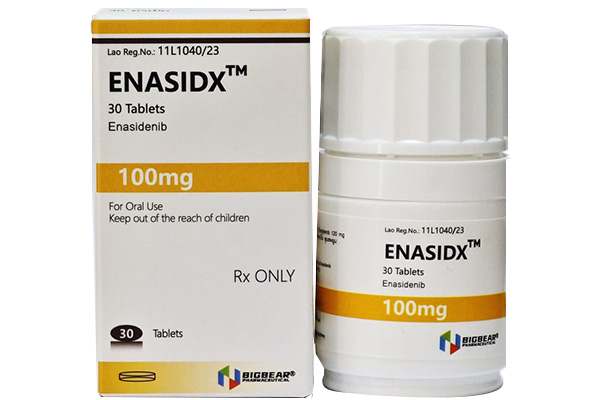
On November 29, 2018, the U.S. Food and Drug Administration (FDA) warned that symptoms of differentiation syndrome, a life-threatening side effect of the leukemia drug enasidenib, are not being recognized in a timely manner.
While prescribing information and patient guidelines for enasidenib include warnings about differentiation syndrome, there have been instances where the syndrome has not been recognized and patients have not received necessary treatment.
Therefore, healthcare professionals and patients are reminded that early recognition and proactive intervention for differentiation syndrome are crucial to reducing the risk of severe illness and death. This safety issue will be continuously monitored.
Healthcare professionals should inform patients of the differentiation syndrome symptoms listed in the medication guidelines when initiating enasidenib treatment and during subsequent follow-ups, and advise them to contact their medical team immediately if any related symptoms occur.
Differentiation syndrome can occur as early as 10 days after starting medication and as late as 5 months later. If a patient experiences unexplained respiratory distress or other symptoms, differentiation syndrome should be considered, and oral or intravenous corticosteroids should be initiated immediately.
Patients taking entimaxipine who experience any of the following symptoms of differentiation syndrome should contact their doctor immediately or go to the nearest hospital emergency room:
Fever, cough, shortness of breath, swelling of the extremities, swelling in the neck/groin/axillary region, rapid weight gain of more than 10 pounds (approximately 4.5 kg) in one week, bone pain, dizziness, or vertigo.
Entimaxipine was approved in August 2017 for the treatment of patients with acute myeloid leukemia (AML) harboring a specific mutation in the isocitrate dehydrogenase (IDH)-2 gene who have relapsed or failed to improve after treatment with other chemotherapy drugs.
AML is a rapidly progressing malignant tumor of the bone marrow that causes an increase in the number of abnormal white blood cells. Enxixipine works by blocking several enzymes that promote the growth of these abnormal blood cells.
In the clinical trials upon which entimaxipine was approved, at least 14% of patients experienced differentiation syndrome. According to the manufacturer's safety reports from May 1 to July 31, 2018, five cases of differentiation syndrome-related deaths have occurred among patients taking entimatum.
Prior to entimatum's approval, differentiation syndrome was only observed in patients with the rare cancer acute promyelocytic leukemia undergoing induction chemotherapy. Healthcare professionals and patients may not be aware of the signs and symptoms of entimatum-related differentiation syndrome.
Another recently approved drug, Tibsovo (evanib), for treating AML patients with specific IDH-1 gene mutations, also carries a risk of differentiation syndrome. Healthcare professionals should be vigilant when prescribing entimatum and monitor for differentiation syndrome; patients should immediately inform their medical team if any symptoms develop.