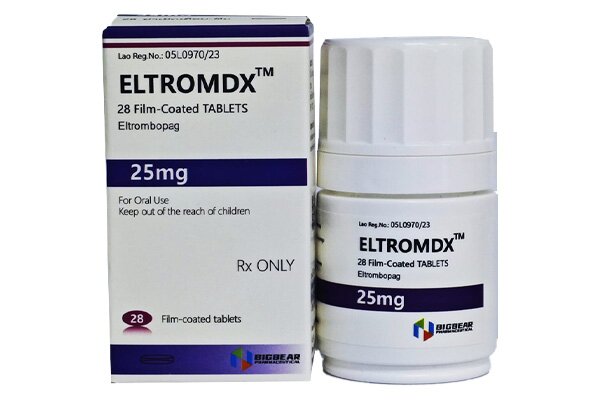
Severe Aplastic Anemia (SAA) is a serious and rare blood disorder that can be fatal if not treated promptly; current initial treatments have shown limited efficacy for many patients. SAA occurs when the bone marrow fails to produce enough red blood cells, white blood cells, and platelets. Patients may experience weakness, fatigue, shortness of breath, recurrent infections, and abnormal bruising or bleeding that can restrict daily activities.
FDA Approves Promacta as First-Line Treatment for SAA
In reality, over one-third of patients either do not respond to current therapies or suffer from relapses. Theoretically, since the body cannot produce new blood cells to prevent infection or hemorrhage, a diagnosis was once nearly a death sentence.
Recently, the U.S. Food and Drug Administration (FDA) expanded the indication for Promacta (eltrombopag) to be used in combination with standard immunosuppressive therapy (IST) as a first-line treatment for adults and pediatric patients aged two and older with SAA. This approval marks a significant advancement for those battling this challenging disease. Adding Promacta to standard IST has demonstrated significantly higher overall and complete response rates while reducing the number of patients who fail to respond to initial therapy.
Promacta is the first new therapy for newly diagnosed SAA patients. As an oral thrombopoietin receptor agonist (TPO-RA), it increases platelet production by inducing the stimulation and differentiation of megakaryocytes from bone marrow stem cells. It is also approved for SAA patients who had an insufficient response to IST, as well as for adults and children with chronic immune (idiopathic) thrombocytopenic purpura (ITP) and thrombocytopenia in patients with chronic hepatitis C (HCV).
The FDA approval was based on a trial analysis showing that 44% (95% CI: 33, 55) of treatment-naïve SAA patients achieved a complete response (CR) at 6 months when treated with Promacta plus standard IST—nearly 27% higher than historical rates with IST alone. The overall response rate at 6 months was 79% (95% CI: 69, 87).
Furthermore, results indicated sustained responses; for patients receiving 6 months of Promacta with horse anti-thymocyte globulin (h-ATG) and cyclosporine (CsA), followed by CsA maintenance, the median duration of response reached 24.3 months. This high response rate data holds significant clinical meaning for SAA patients who have not previously received standard IST.
Promacta has other indications, including a Breakthrough Therapy designation from the FDA for treating the hematopoietic syndrome of acute radiation syndrome (H-ARS). It has also been proven to reduce the risk of bleeding in patients with radiation sickness.